Snake Tattoo Designs — Ancient Symbolism Meets Modern Artistry
Snake tattoo designs have fascinated humans for millennia, drawing on one of nature's most primal and ambivalent symbols. The serpent appears in nearly every culture's mythology — as the tempter in the Garden of Eden, the healer on the caduceus, the world-creator in Hindu cosmology, and the cycle of rebirth in Ancient Egypt. This symbolic richness makes snake tattoo meaning remarkably layered: transformation, duality, danger, wisdom, and healing all live within a single coiled form. Artistically, snake tattoo designs are endlessly versatile. A small snake tattoo can wrap elegantly around an ankle or finger, while a large snake arm tattoo spirals up from wrist to shoulder in a continuous composition. The snake and rose tattoo pairing — death and beauty, danger and love — is one of tattooing's most iconic combinations. Use the MyInk AI generator to explore your ideal snake tattoo before booking your session.
Popular Snake Tattoo Styles
Japanese Snake Tattoos
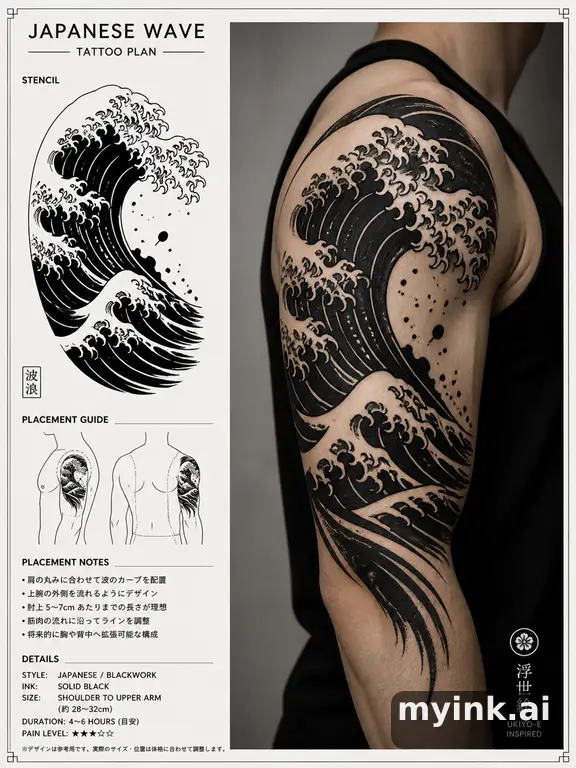
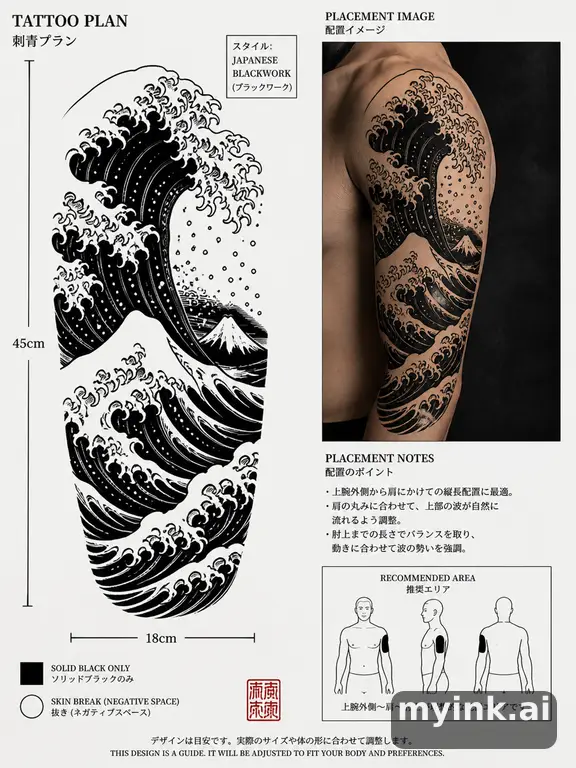
In Japanese tattooing, snakes represent wisdom, protection, and good fortune. Traditional Japanese snake tattoo designs feature bold outlines, dynamic coiled compositions, and integration with chrysanthemums, peonies, and waves. The serpent is considered a protector against illness and bad luck in Japanese folklore, giving these designs both aesthetic and talisman qualities.
Blackwork Coiled Snakes
Blackwork snake tattoo designs use solid black ink to render the serpent's scales, musculature, and sinuous form with graphic intensity. A tightly coiled blackwork snake reads powerfully at any size and ages with exceptional durability. This style is particularly popular as a forearm or chest piece where the coiled form can be appreciated in full.
Snake and Rose Tattoos
The snake and rose tattoo is a cornerstone of neo-traditional and traditional Western tattooing. Roses represent beauty and love; snakes represent temptation and danger. Together they create a powerful visual and symbolic tension. Most compositions intertwine the snake through the rose stem or show the snake coiled around the bloom.
Ouroboros and Circular Snakes
The ouroboros — a snake consuming its own tail — is an ancient symbol of eternity, cyclicality, and self-renewal. Ouroboros snake tattoo designs adapt naturally to circular placements like the wrist, ankle, or as a framing element in larger compositions. The image resonates with people who have experienced major life transformations.
Fine-Line and Minimalist Snakes
Small snake tattoo designs in fine-line style offer an elegant, understated option. A single thin-line serpent wrapped around a finger, spiraling up the ankle, or weaving through simple botanical elements is subtle but striking. These minimalist interpretations appeal to those who want snake symbolism without overt visual aggression.
Snake Tattoo Placement Guide
Arm and Sleeve
The snake arm tattoo is the quintessential placement — the serpent's elongated form maps naturally onto the arm's cylindrical shape. A snake can wrap from wrist to shoulder in a continuous spiral or be segmented across the forearm and bicep as part of a larger sleeve. This is the most popular and visually dynamic placement for snake tattoos.
Chest and Ribcage
A large snake coiled across the chest or ribcage creates a powerful composition. The ribcage is one of the more painful placements, but the canvas allows for elaborate detail. Snake and rose tattoo designs work particularly well on the chest, where the opposing elements can be arranged symmetrically around the sternum.
Ankle and Calf
Small snake tattoo designs wrap beautifully around the ankle, following the joint's circular form. Longer serpent designs snake up the calf in dynamic upward spirals. Both placements are moderately painful — the ankle more so due to thin skin over bone — but the results are elegant and easily concealed.
Back
The back provides the largest possible canvas for dramatic snake tattoo designs. Full-back compositions can show a serpent at full extension — head at the neck, tail at the lower back — with elaborate surrounding elements. This scale allows for extraordinary detail in scale texture, shading, and naturalistic movement.
Snake Tattoo Meaning and Symbolism
Transformation and Rebirth
The snake's ability to shed its skin makes it the world's most universal symbol of transformation and renewal. Snake tattoo meaning often centers on personal reinvention — people who have overcome addiction, left toxic relationships, or radically changed direction in life frequently choose the serpent to mark that transformation.
Duality and Temptation
In Western symbolism, the snake represents duality — both healer and destroyer, wisdom and deceit. The caduceus (two snakes around a staff) is the symbol of medicine, while the Biblical serpent represents temptation and forbidden knowledge. This duality is part of what makes snake tattoo designs so symbolically rich.
Protection and Power
Many cultures view snakes as protectors. Ancient Egyptians revered the cobra as a royal protector — pharaohs wore the uraeus cobra on their crowns. In Hindu tradition, cobras adorn the god Shiva as symbols of divine power. For many wearers, snake tattoo meaning encompasses this protective, powerful aspect of the serpent.
Generate Your Custom Snake Tattoo with AI
Open the studio with this idea pre-loaded, choose a style, and generate your design in seconds.
Open the Studio →Snake Tattoo Inspiration Gallery
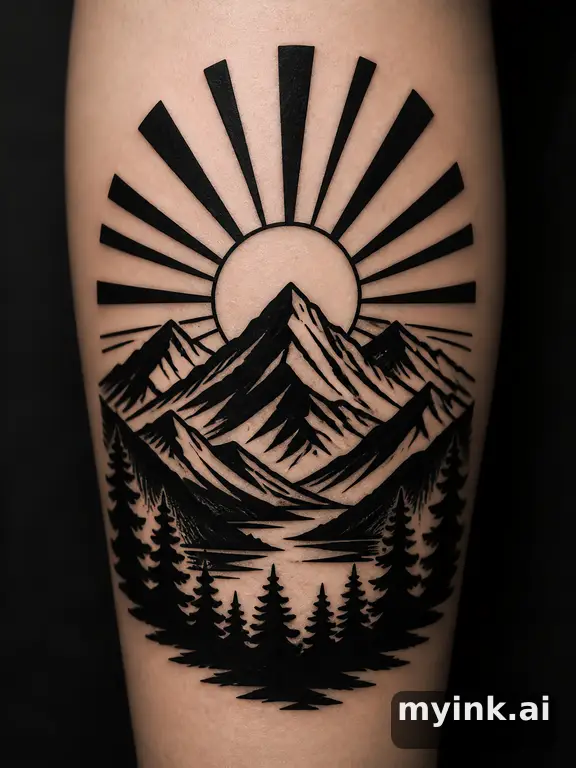
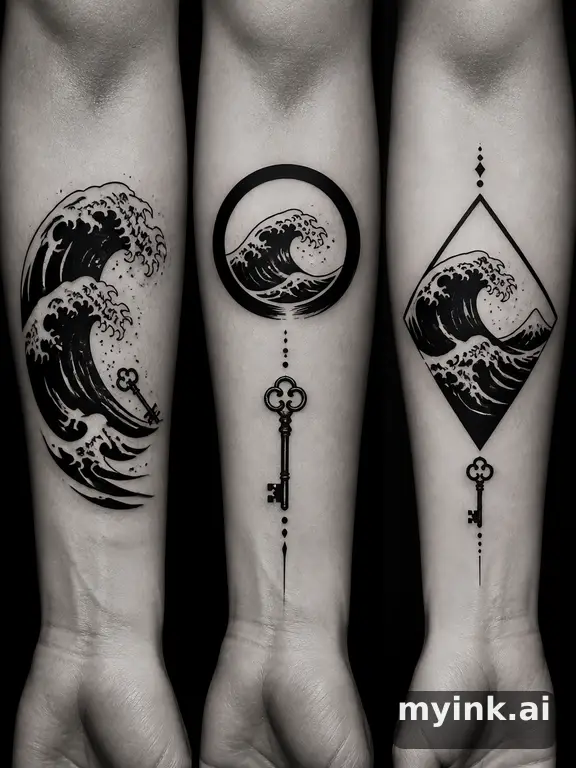
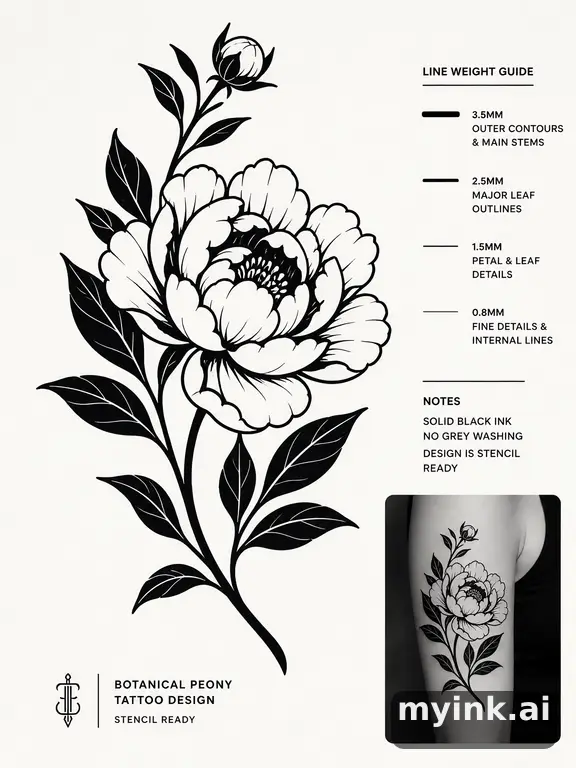
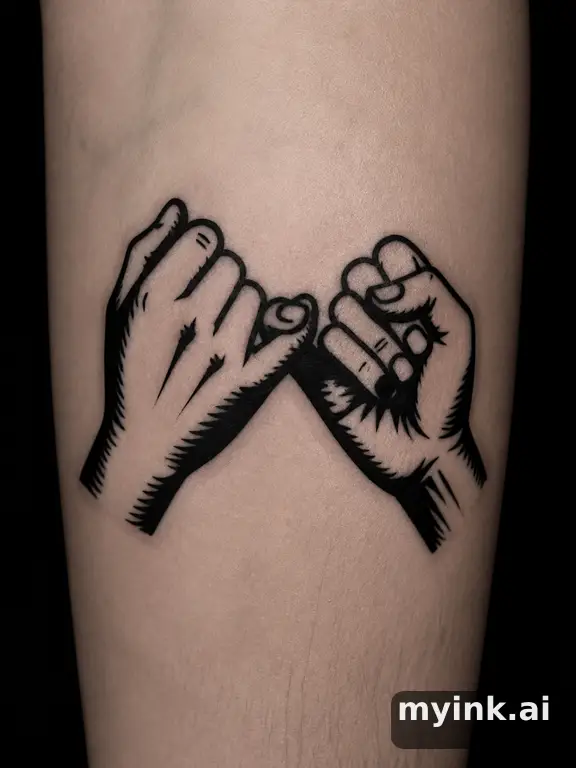
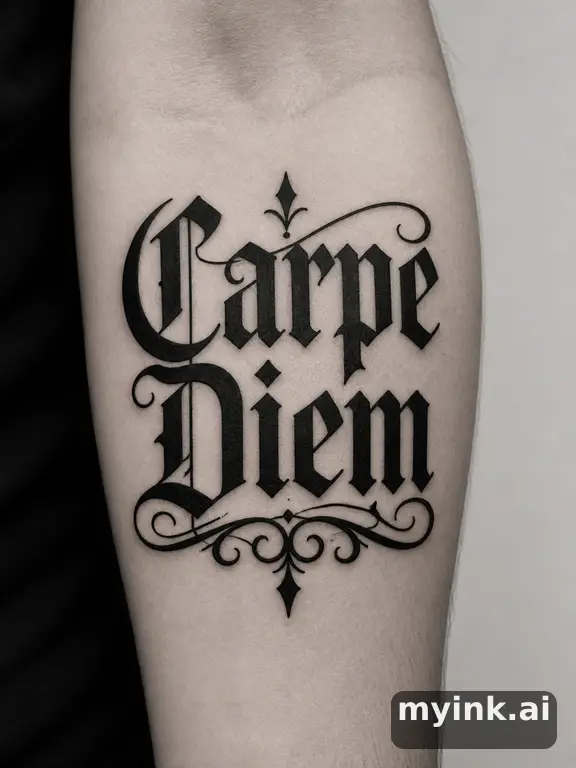
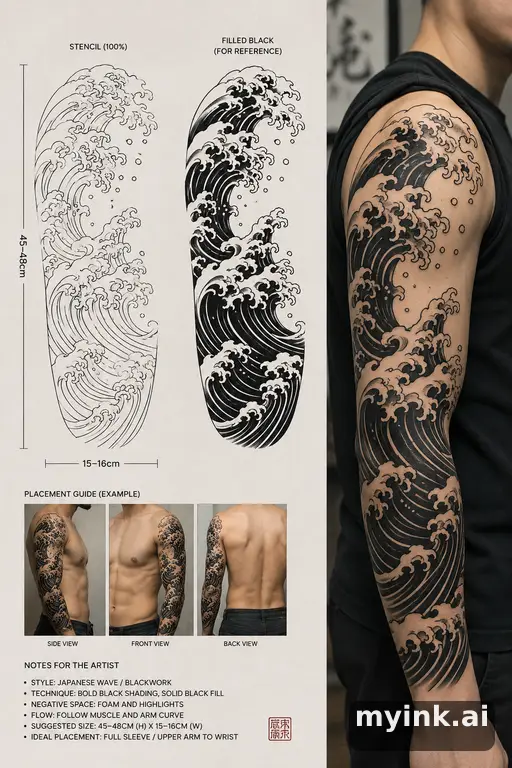
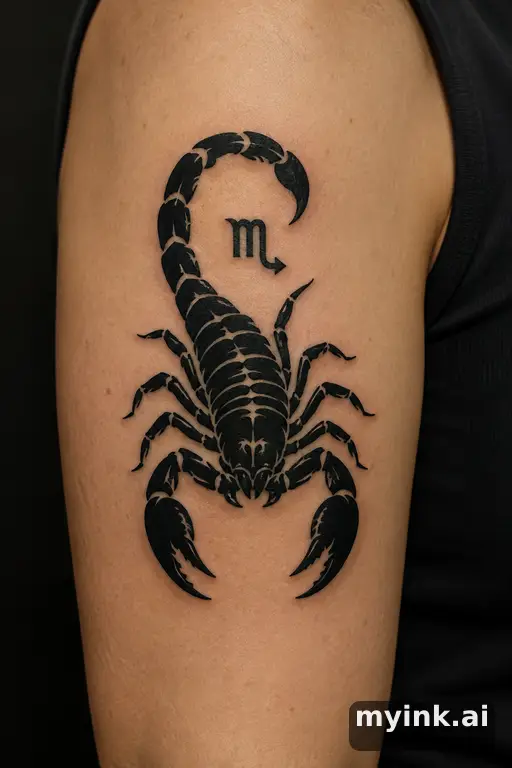
AI-generated snake tattoo designs across multiple styles. Click any design for details.
















Trusted Resources
Wikipedia: Serpent Symbolism
Global cultural and mythological serpent symbolism.
Healthline Tattoo Pain Chart
Pain levels for arm, ribcage, and ankle placements.
AAD Tattoo Aftercare
Aftercare advice for large serpent pieces.
Alliance of Professional Tattooists
Find artists specializing in Japanese and blackwork styles.
Snake Tattoo FAQ
What does a snake tattoo mean?
Snake tattoo meaning is rich and culturally variable. Most commonly, serpents represent transformation (shedding skin), duality (healer and destroyer), protection, and forbidden wisdom. In Japanese tradition snakes bring good luck; in Western symbolism they often represent temptation. Your personal connection to the symbol is what matters most.
What is a good small snake tattoo placement?
Small snake tattoo designs work best in places where the serpent's coiled or looping form fits naturally. The ankle, wrist, finger, and inner forearm are popular choices. A minimalist fine-line snake wrapped around the ankle is among the most elegant small placements available.
What does a snake and rose tattoo mean?
The snake and rose tattoo symbolizes the tension between opposites — danger and beauty, temptation and love, death and life. It is one of tattooing's most iconic classic combinations, rooted in traditional Western tattooing. Artistically, the two elements complement each other beautifully in composition and form.
How long does a snake arm tattoo take?
A snake arm tattoo that spirals from wrist to shoulder typically requires multiple sessions totaling 6-15 hours depending on detail level and style. Blackwork designs may be faster than detailed realistic work. Most artists recommend breaking it into 2-4 sessions to allow proper healing between stages.
Can I generate snake tattoo designs with AI?
Yes. The MyInk AI generator lets you describe your ideal serpent tattoo and instantly preview the result. Try prompts like 'blackwork coiled snake with roses' or 'fine-line ouroboros wrist tattoo' to explore styles before consulting your artist.
Related Tattoo Designs
Dragon Tattoo Designs
Explore dragon tattoo designs across cultures: Japanese ryū, Chinese lóng, and W...
Rose Tattoo Designs
Explore 100+ rose tattoo designs from minimalist single-line to realistic shaded...
Cross Tattoo Designs & Patterns
Explore cross tattoo designs and patterns from simple minimalist lines to ornate...
Tattoo Designs for Men
Browse 200+ tattoo designs for men. Sleeve, arm, chest, and back ideas across ev...
Create Your Perfect Snake Tattoo
Start with 8 free credits for one full design set. Preview on your body before your appointment.
How to Use an AI Tattoo Preview Before You Book
MyInk is most useful when the output is treated as a planning reference, not a finished tattoo appointment file. Start with the idea you want to test, choose a style that has a real tattoo tradition behind it, then review whether the design can survive on skin at the size and placement you have in mind.
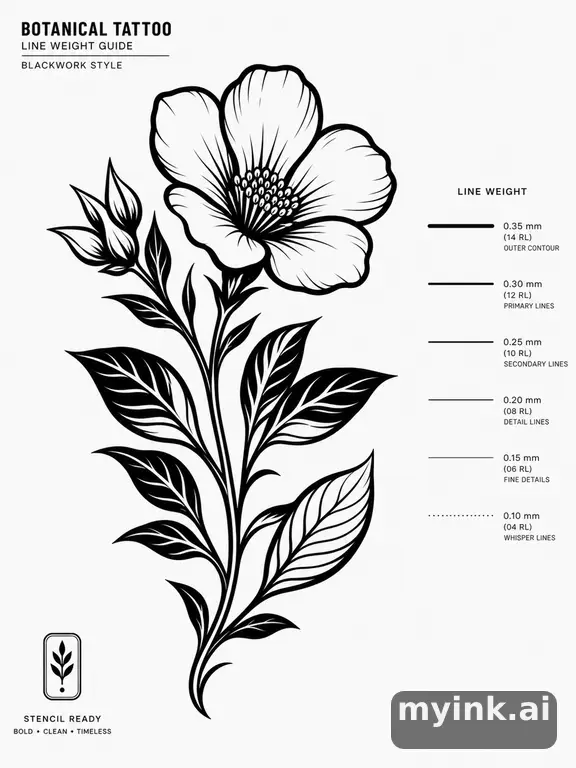
A strong tattoo preview should have one clear subject, readable contrast, and enough negative space for the design to age. Tiny lettering, hairline detail, crowded symbols, soft watercolor edges, and low-contrast color combinations can look beautiful on screen while becoming hard to read after healing and years of sun exposure.
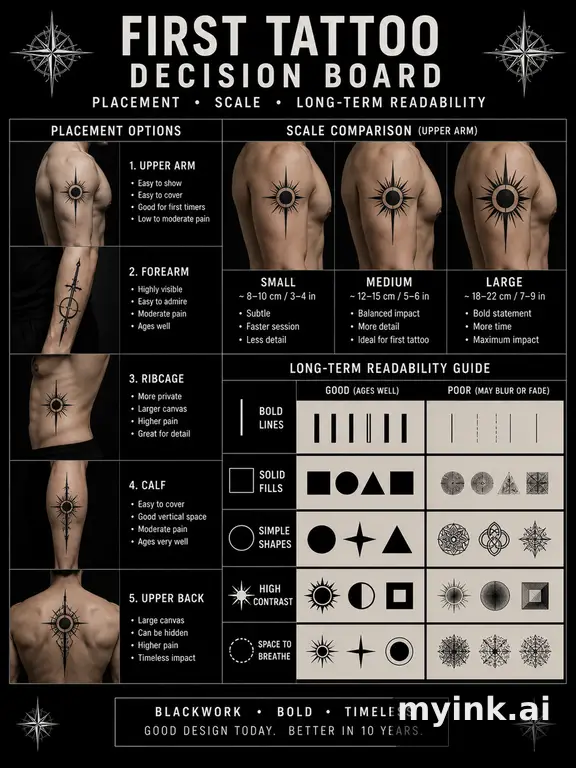
Placement changes the design. A forearm can carry vertical compositions and readable symbols. Ribs and chest placements need more attention to pain, breathing movement, and body curvature. Fingers, hands, and wrists fade faster because the skin moves, washes, and rubs more often. The preview should help you see those tradeoffs before you pay a deposit.
Use the generator to create directions, then narrow to one or two realistic options. Save the prompt, style, placement, and reference image. That record gives your artist a clearer starting point than a folder of unrelated screenshots and helps prevent last-minute design confusion at the consultation.
An artist still needs to redraw, resize, and adapt the concept. Tattooing is not the same as printing an image on skin. Line weight, stencil clarity, needle grouping, skin tone, body movement, and healing all affect the final result. Treat any AI image as a brief for discussion, not a file to copy without judgment.
Be especially careful with memorial, cultural, religious, medical, or partner-name tattoo ideas. Those designs carry meaning beyond aesthetics, so the right workflow includes a pause: check the spelling, symbolism, cultural context, and long-term emotional fit before turning a preview into a permanent mark.
If a page only gives you a pretty image, it has not answered the important question. A useful tattoo planning page should explain who the idea suits, where it works, what might age poorly, what to ask an artist, and when a safer variation would be smarter.
Before booking, compare the design at phone size, full screen, and roughly the real size on your body. If the main shape disappears when small, simplify it. If the design relies on fragile detail, make it larger or choose a bolder style. If the meaning feels unclear, revise the concept before you involve an artist.
Best fit
Early tattoo ideation, style comparison, placement preview, cover-up exploration, memorial concept drafting, and preparing a clearer brief for an artist.
Poor fit
Copying another artist's work, replacing professional stencil preparation, guessing cultural meaning, or choosing a permanent tattoo from a single unreviewed image.
Before using
Check meaning, size, placement, contrast, aging risk, spelling, artist feasibility, and whether the design still feels right after a short waiting period.
Tattoo Planning Checklist
Decide the role of the tattoo first. A decorative piece can be judged by visual strength, fit, and longevity. A memorial or symbolic piece needs a second layer of review: spelling, dates, cultural meaning, emotional timing, and whether the symbol will still feel right when the current life moment has changed.
Check the design at real size. A beautiful full-screen image can fail when reduced to a three-inch wrist tattoo. If the subject, lettering, or secondary symbols become hard to read at actual size, the concept needs fewer details, heavier line weight, more open spacing, or a larger placement.
Compare the style with the body area. Traditional, blackwork, and neo-traditional designs usually tolerate aging better because they use stronger outlines and contrast. Fine-line, watercolor, and tiny geometric pieces can be excellent, but they need careful artist selection, realistic sizing, and acceptance that touch-ups may be part of ownership.
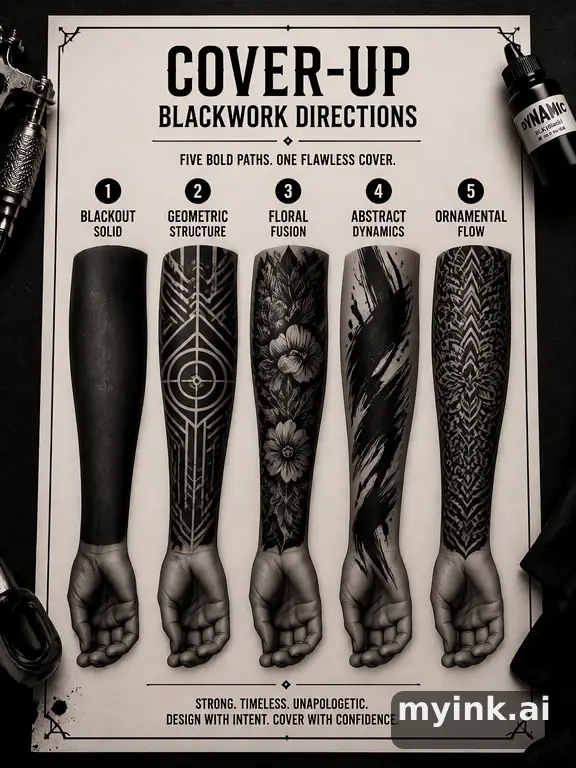
If you are planning a cover-up, be even more conservative. A cover-up has to solve the old tattoo's darkness, shape, and location before it can become a new design. The AI preview can help explore directions, but a cover-up artist must judge what is possible on the existing skin.
Use try-on previews to test placement honestly. Rotate, scale, and compare the idea on the intended body part. A design that looks balanced on a flat screen may distort around elbows, ribs, wrists, shoulders, knees, or fingers. The goal is not a perfect simulation; the goal is catching obvious placement mistakes early.
Before sending anything to an artist, write a short brief: subject, style, placement, approximate size, meaning, colors to use or avoid, and any symbols that must stay out. Add one or two generated references, not twenty. A tight brief gives the artist space to create original work while preserving your intent.
Avoid treating a generated image as proof that a tattoo is safe, culturally appropriate, or technically ready. Ask a professional about stencil clarity, line weight, skin tone, placement movement, and healing. The better the AI-assisted planning, the easier that expert conversation becomes.
If the design still feels right after a short waiting period, the next step is a real consultation. If it stops feeling right, that is a useful result too. The safest tattoo planning workflow helps you avoid weak ideas as much as it helps you find strong ones.
What Makes a Preview Useful
A useful preview answers a specific decision question. On an aging page, the question is whether contrast and line weight will survive. On a meaning page, the question is whether the symbol says the right thing without becoming too crowded. On a cover-up page, the question is whether the new design can realistically hide the old shape. On a pack page, the question is whether the concept is ready for an artist handoff.
The best pages therefore combine image exploration with judgment. They explain what the design is good for, where it may fail, what to ask an artist, and which details should be simplified before the tattoo becomes permanent. This is the difference between browsing tattoo images and actually preparing for a safer appointment.
If the output feels close, do not keep generating randomly. Change one variable at a time: style, placement, size, subject, color, or amount of detail. Comparing focused variations helps you see which part of the idea is strong and which part is creating risk.
A tattoo preview should also make refusal easier. If the design looks wrong on the body, feels too tied to a temporary emotion, depends on detail that will not age, or needs a placement you are not comfortable wearing, stop there. Avoiding the wrong tattoo is a successful planning outcome.
Handoff examples should be judged by clarity. A useful example explains the concept, shows the chosen direction, gives the artist enough context, and leaves room for the artist to redraw instead of forcing a copied AI image. If the handoff would confuse a professional, the design is not ready yet.
Guide pages should help with the questions that sit around the image: what to prepare before a first tattoo, how to think about aftercare, when numbing cream needs artist approval, and how to avoid using pain or urgency as the only decision filter.
Sample handoff pages should be especially concrete. They need to show how a chosen direction supports an artist conversation, what still needs professional review, and when a user should keep refining the same Studio project.
When a page helps someone ask a better question before the needle touches skin, it has done real work for both searchers and future clients.
That is why the planning pages emphasize clear briefs, readable designs, realistic sizing, and artist review instead of treating image generation as the final step.
If a sample cannot explain that handoff clearly, it should be revised before publishing.
Clear handoffs reduce appointment friction.
They also reduce revision waste later.