Tattoo Designs for Men — 200+ Ideas by Style and Placement
Finding the right tattoo designs for men means balancing personal meaning with visual impact. Whether you are planning your first piece or adding to an existing collection, the design should reflect your story while complementing your body's contours. Men's tattoo culture spans everything from small minimalist symbols to full-sleeve compositions — and modern AI tools make it easier than ever to explore and refine ideas before sitting in the chair. This guide covers the most popular styles, placements, and motifs that men request, with an AI generator ready to produce custom designs on demand.
Most Popular Tattoo Styles for Men
Traditional and Neo-Traditional
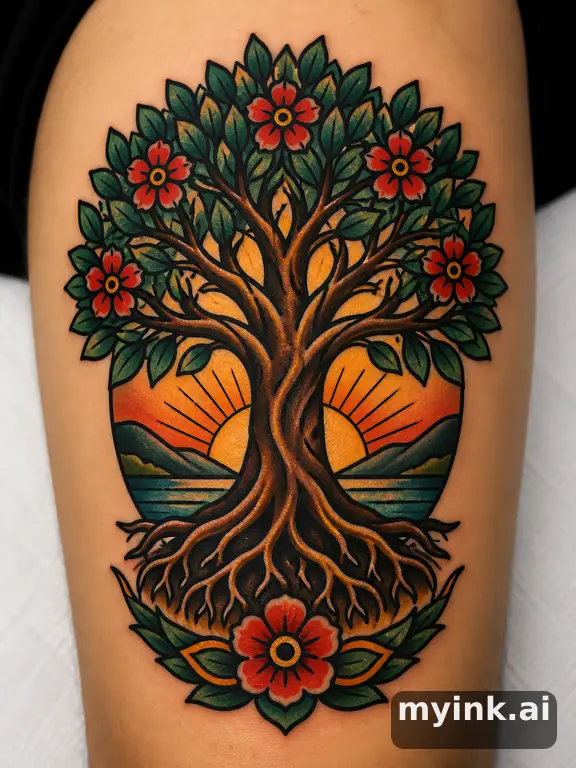
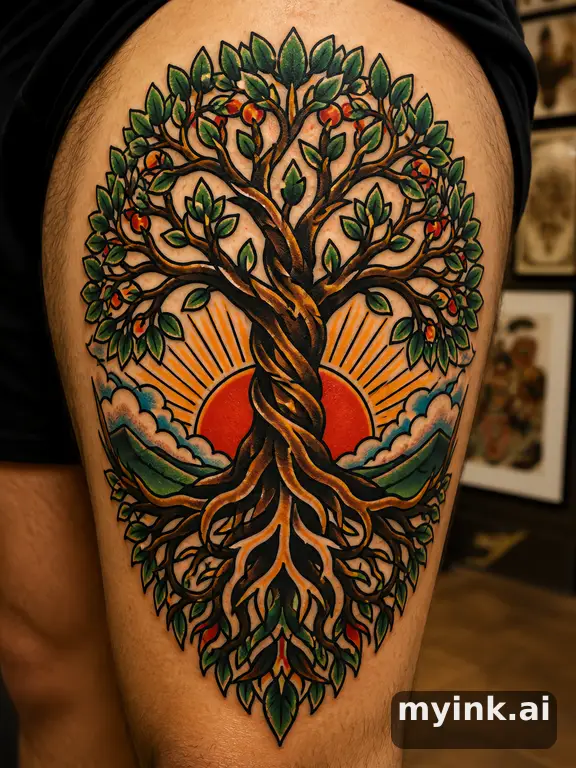
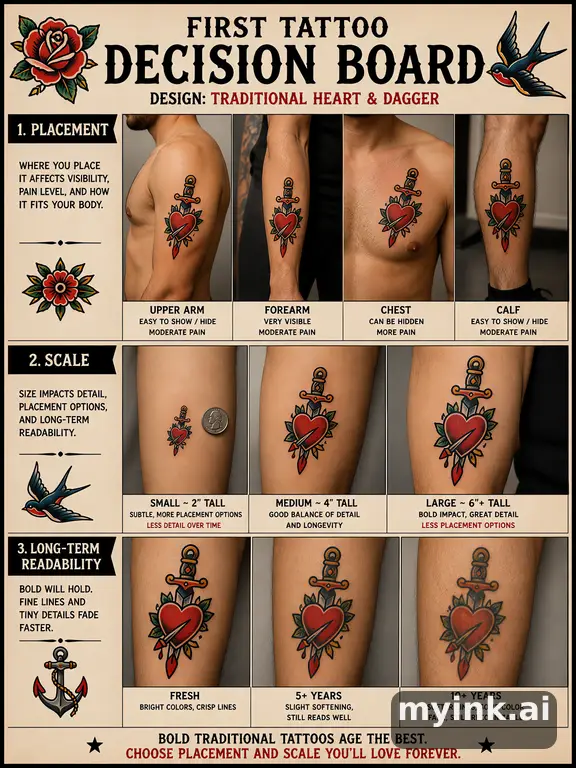
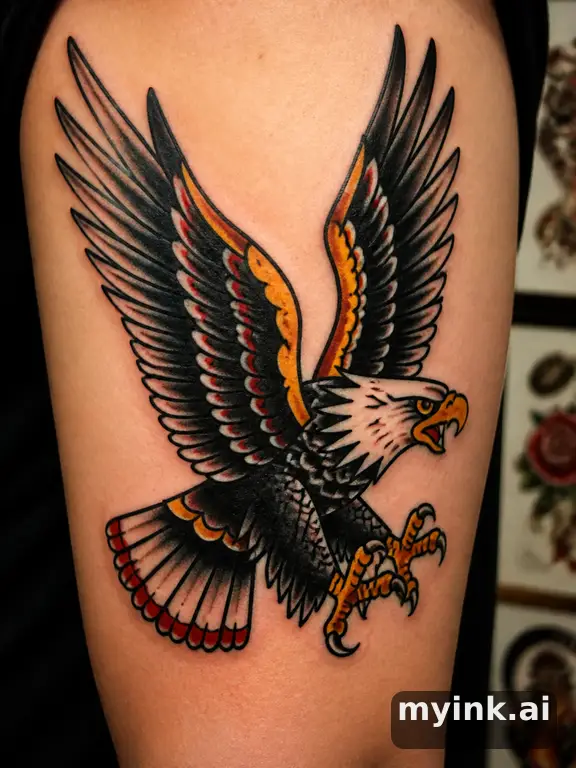
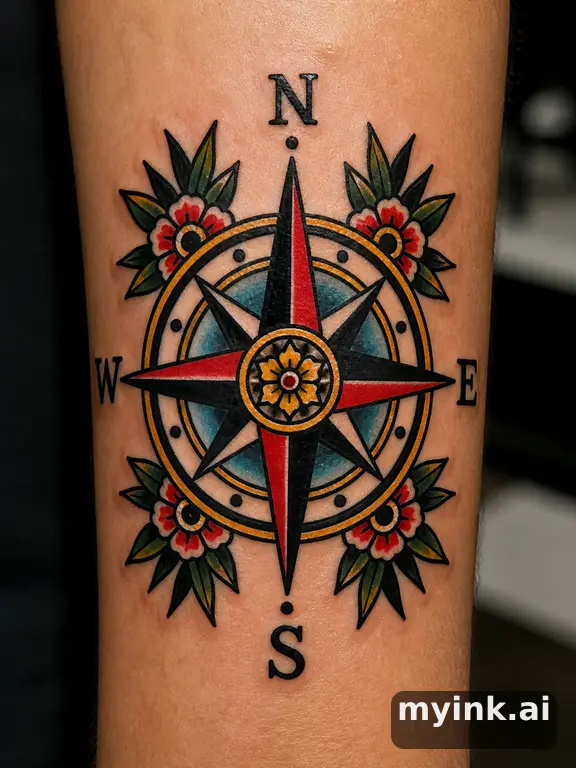
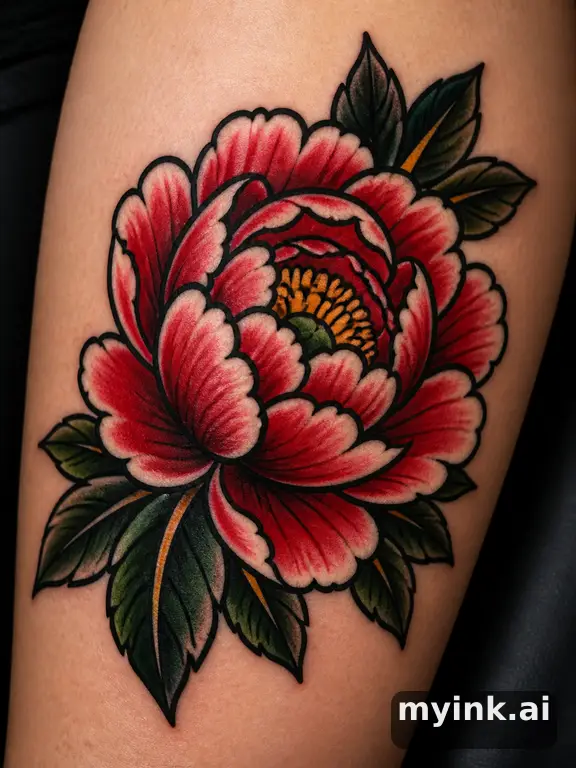
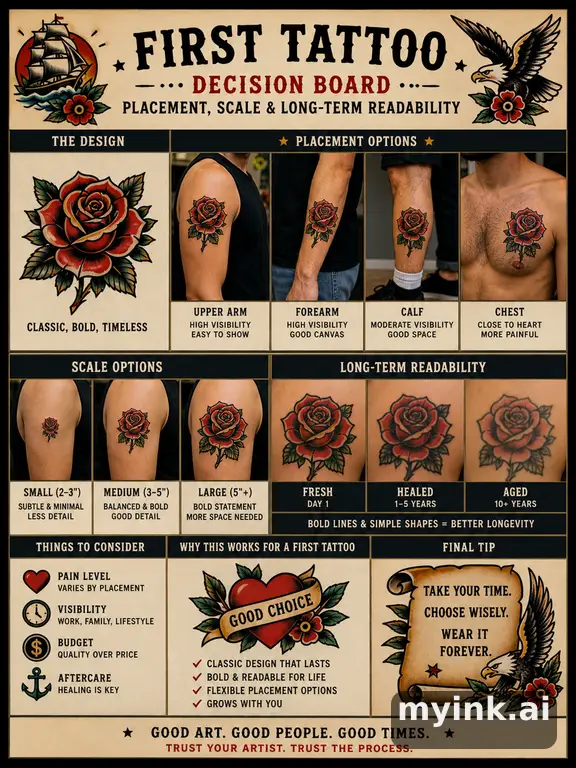
Bold outlines and rich colors define the classic masculine tattoo. Traditional tattoo designs for men feature anchors, eagles, skulls, and daggers. Neo-traditional adds more detail and a wider color palette while keeping that iconic boldness.
Blackwork and Tribal
High-contrast solid black ink creates dramatic impact. Tribal patterns inspired by Polynesian, Maori, and Samoan cultures remain hugely popular tattoo designs for men, especially on shoulders, upper arms, and calves.
Realistic and Portrait
Photo-realistic tattoo designs for men include wildlife portraits, landscapes, loved ones, and pop culture figures. This style demands a skilled artist and works best at larger scales on the chest, back, or thigh.
Japanese Irezumi
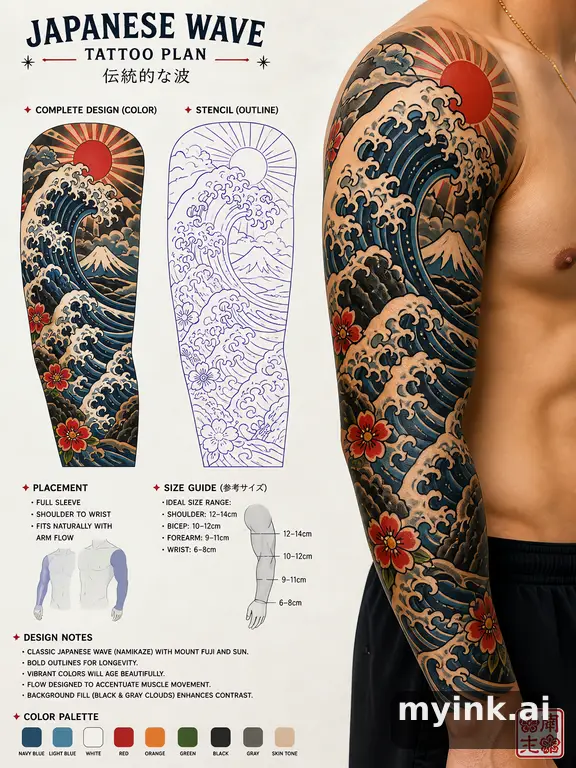
Flowing compositions of koi fish, dragons, samurai, and cherry blossoms cover large areas in a cohesive narrative. Japanese-style tattoo designs for men are designed to work with the body's natural movement.
Geometric and Dotwork
Mathematical precision meets body art. Geometric tattoos use sacred geometry, mandalas, and tessellations. Dotwork adds stippled shading for texture. Both styles suit the forearm, shoulder, and chest.
Best Tattoo Placements for Men
Sleeve Tattoos — Full, Half, and Quarter
Sleeve tattoo designs for men remain the most requested category. A full sleeve covers wrist to shoulder, a half sleeve covers elbow to shoulder, and a quarter sleeve wraps the shoulder and upper arm. Plan the entire composition before starting — cohesive sleeves look far better than random additions.
Chest and Pec Tattoos
The chest offers a large, relatively flat surface for symmetrical designs, lettering, or single focal pieces. Popular motifs include eagles, lions, geometric patterns, and memorial text. Pain is moderate except near the sternum.
Back Pieces
Full back tattoos are the ultimate canvas for men. Japanese scenes, religious imagery, and large-scale blackwork compositions look spectacular here. The upper back has lower pain while the spine is more intense.
Forearm and Wrist
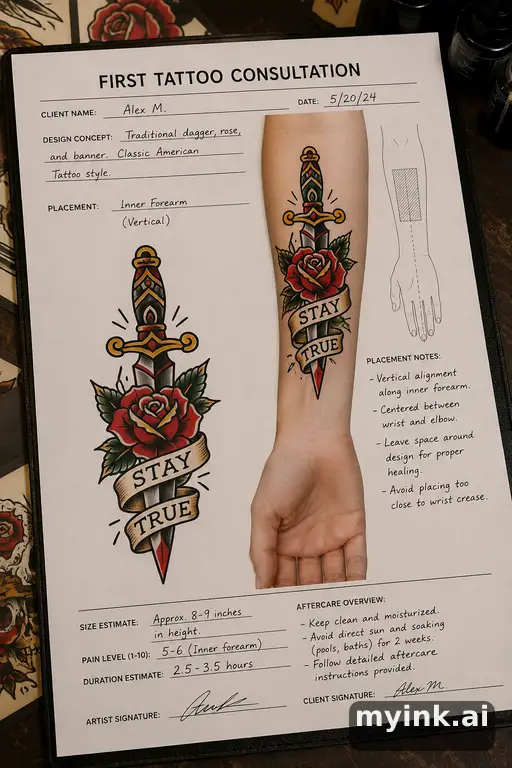
Forearm tattoo designs for men are visible, versatile, and relatively low-pain. They suit everything from script and symbols to small portraits and geometric bands.
Popular Motifs in Men's Tattoo Culture
- Lions and Tigers: Represent courage, strength, and leadership. Often done in realistic or neo-traditional style.
- Skulls: Symbolize mortality, fearlessness, and rebellion. Pair well with roses, snakes, or flames.
- Eagles: Freedom, patriotism, and power. A staple in traditional American tattoo designs for men.
- Clocks and Compasses: Represent the passage of time, life journeys, and finding direction.
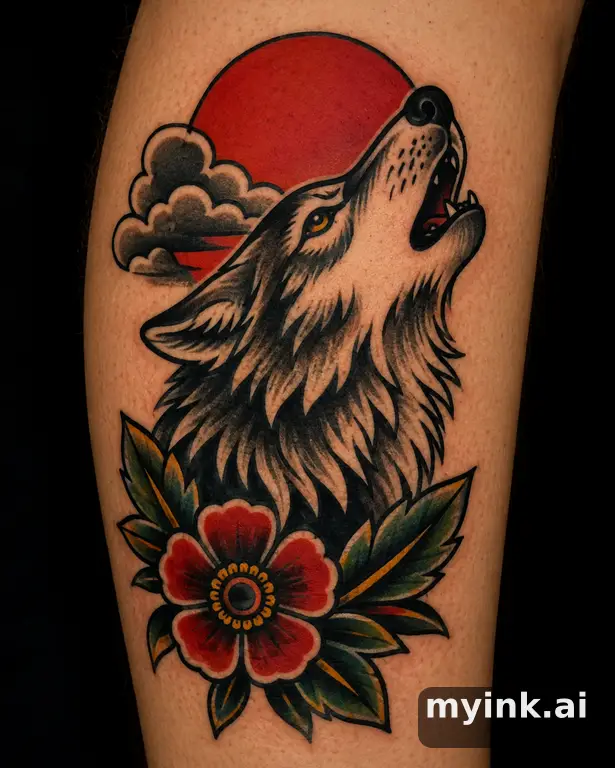
- Wolves: Loyalty, family bonds, and independence. Popular in realistic and blackwork styles.
- Dragons: Power and wisdom across cultures — from Japanese ryū to European medieval designs.
Choosing the Right Tattoo Design
Size Considerations
Small tattoo designs for men work well on the wrist, finger, or behind the ear. Medium pieces suit the forearm and upper arm. Large designs belong on the chest, back, or as sleeve compositions. Match the design's detail level to the available space.
Color vs Black and Grey
Black and grey tattoo designs for men offer timeless elegance and age well. Color pieces make a bold statement but may need touch-ups sooner. Consider your skin tone — darker skin tones pair especially well with high-contrast blackwork.
Building a Cohesive Collection
If you plan multiple tattoos, think about how they will relate. Sticking to one or two styles, a consistent color palette, or a unifying theme creates a collection that looks intentional rather than random.
Generate Your Custom Tattoo Tattoo with AI
Open the studio with this idea pre-loaded, choose a style, and generate your design in seconds.
Open the Studio →Tattoo Tattoo Inspiration Gallery
AI-generated tattoo designs for men across multiple styles. Click any design for details.
















Trusted Resources
AAD Tattoo Safety Tips
Dermatologist advice on tattoo safety and aftercare.
Alliance of Professional Tattooists
Find certified professional tattoo artists.
Healthline Tattoo Pain Guide
Pain levels by body area and how to manage discomfort.
FDA Tattoo Information
Federal safety information about tattoo inks and procedures.
Tattoo Tattoo FAQ
What is the most popular tattoo for men?
Sleeve tattoos, tribal patterns, and lion portraits are consistently the most popular tattoo designs for men. However, trends shift — geometric and fine-line styles have surged in recent years.
Where is the least painful spot for men to get tattooed?
The outer upper arm, forearm, and calf are the least painful areas. They have thicker skin and fewer nerve endings compared to the ribs, sternum, or inner bicep.
How do I choose a tattoo style?
Consider what appeals to you visually, the size and placement you want, and the level of detail. Our AI generator lets you try the same concept in 10 different styles instantly — a great way to compare before committing.
Can AI generate masculine tattoo designs?
Absolutely. Describe what you want — for example, 'fierce lion portrait in realistic style' or 'geometric wolf forearm tattoo' — and the AI will produce custom designs tailored to your description.
How much does a men's sleeve tattoo cost?
A full sleeve typically costs $2,000-6,000+ depending on detail, color, and artist rates. Half sleeves range $1,000-3,000. Plan for multiple sessions of 3-6 hours each.
Related Tattoo Designs
Sleeve Tattoo Designs
Plan your sleeve tattoo with 150+ design ideas. Full, half, and quarter sleeve o...
Dragon Tattoo Designs
Explore dragon tattoo designs across cultures: Japanese ryū, Chinese lóng, and W...
Neck Tattoo Designs
Browse neck tattoo designs with placement tips, pain info, and style options. Fr...
Hand Tattoo Designs
Browse hand tattoo designs from subtle finger tattoos to bold full-hand pieces. ...
Create Your Perfect Tattoo Tattoo
Start with 8 free credits for one full design set. Preview on your body before your appointment.
How to Use an AI Tattoo Preview Before You Book
MyInk is most useful when the output is treated as a planning reference, not a finished tattoo appointment file. Start with the idea you want to test, choose a style that has a real tattoo tradition behind it, then review whether the design can survive on skin at the size and placement you have in mind.
A strong tattoo preview should have one clear subject, readable contrast, and enough negative space for the design to age. Tiny lettering, hairline detail, crowded symbols, soft watercolor edges, and low-contrast color combinations can look beautiful on screen while becoming hard to read after healing and years of sun exposure.
Placement changes the design. A forearm can carry vertical compositions and readable symbols. Ribs and chest placements need more attention to pain, breathing movement, and body curvature. Fingers, hands, and wrists fade faster because the skin moves, washes, and rubs more often. The preview should help you see those tradeoffs before you pay a deposit.
Use the generator to create directions, then narrow to one or two realistic options. Save the prompt, style, placement, and reference image. That record gives your artist a clearer starting point than a folder of unrelated screenshots and helps prevent last-minute design confusion at the consultation.
An artist still needs to redraw, resize, and adapt the concept. Tattooing is not the same as printing an image on skin. Line weight, stencil clarity, needle grouping, skin tone, body movement, and healing all affect the final result. Treat any AI image as a brief for discussion, not a file to copy without judgment.
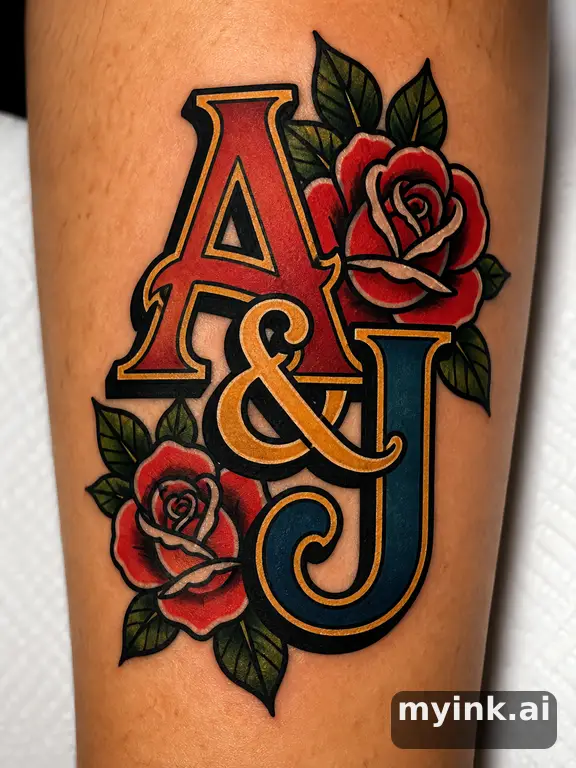
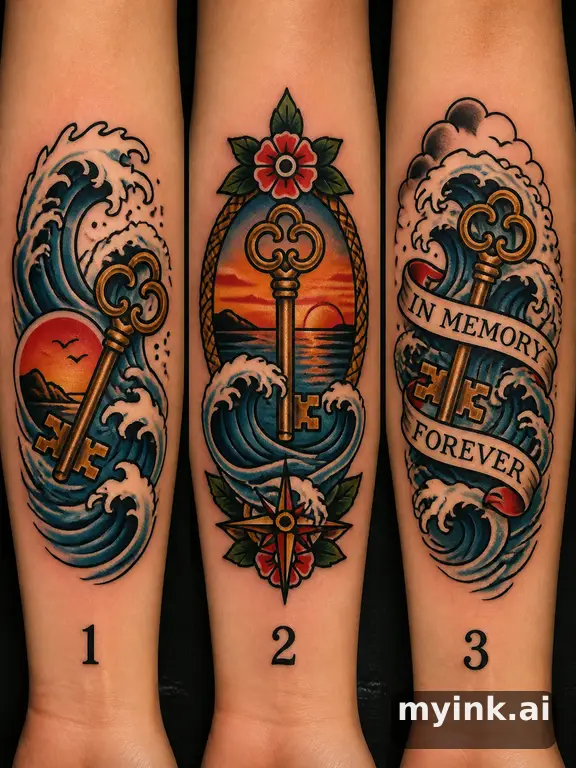
Be especially careful with memorial, cultural, religious, medical, or partner-name tattoo ideas. Those designs carry meaning beyond aesthetics, so the right workflow includes a pause: check the spelling, symbolism, cultural context, and long-term emotional fit before turning a preview into a permanent mark.
If a page only gives you a pretty image, it has not answered the important question. A useful tattoo planning page should explain who the idea suits, where it works, what might age poorly, what to ask an artist, and when a safer variation would be smarter.
Before booking, compare the design at phone size, full screen, and roughly the real size on your body. If the main shape disappears when small, simplify it. If the design relies on fragile detail, make it larger or choose a bolder style. If the meaning feels unclear, revise the concept before you involve an artist.
Best fit
Early tattoo ideation, style comparison, placement preview, cover-up exploration, memorial concept drafting, and preparing a clearer brief for an artist.
Poor fit
Copying another artist's work, replacing professional stencil preparation, guessing cultural meaning, or choosing a permanent tattoo from a single unreviewed image.
Before using
Check meaning, size, placement, contrast, aging risk, spelling, artist feasibility, and whether the design still feels right after a short waiting period.
Tattoo Planning Checklist
Decide the role of the tattoo first. A decorative piece can be judged by visual strength, fit, and longevity. A memorial or symbolic piece needs a second layer of review: spelling, dates, cultural meaning, emotional timing, and whether the symbol will still feel right when the current life moment has changed.
Check the design at real size. A beautiful full-screen image can fail when reduced to a three-inch wrist tattoo. If the subject, lettering, or secondary symbols become hard to read at actual size, the concept needs fewer details, heavier line weight, more open spacing, or a larger placement.
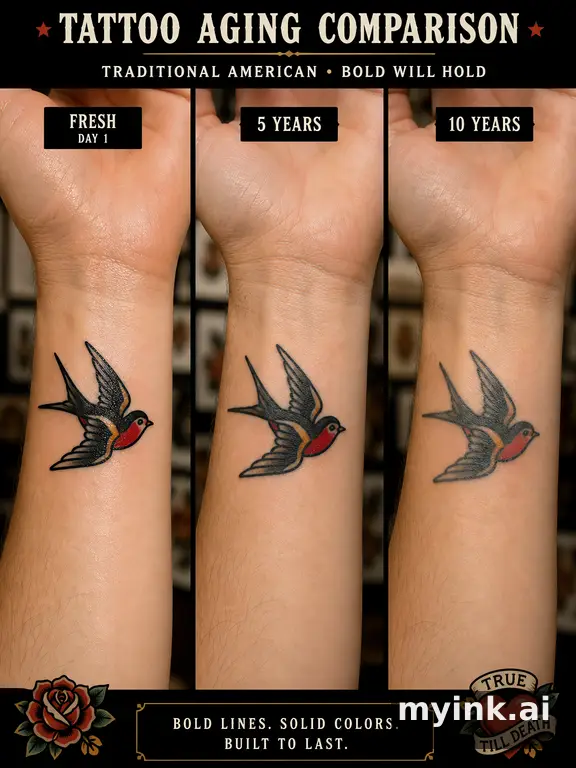
Compare the style with the body area. Traditional, blackwork, and neo-traditional designs usually tolerate aging better because they use stronger outlines and contrast. Fine-line, watercolor, and tiny geometric pieces can be excellent, but they need careful artist selection, realistic sizing, and acceptance that touch-ups may be part of ownership.
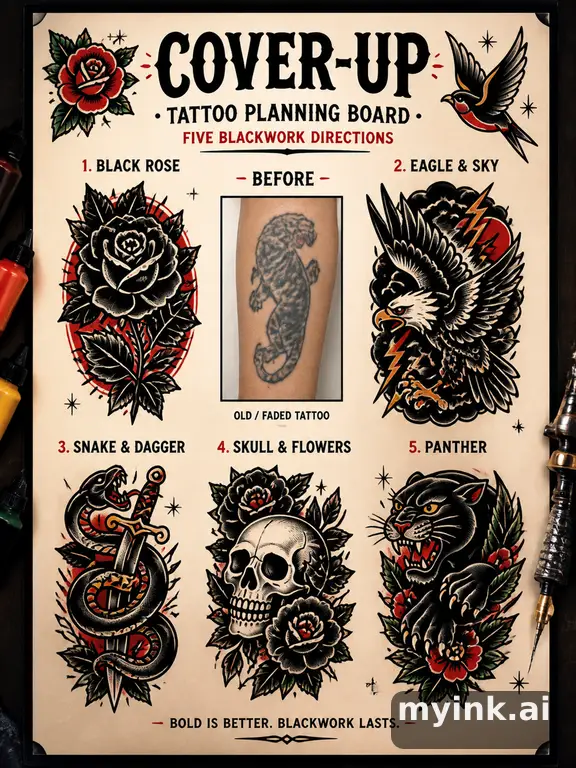
If you are planning a cover-up, be even more conservative. A cover-up has to solve the old tattoo's darkness, shape, and location before it can become a new design. The AI preview can help explore directions, but a cover-up artist must judge what is possible on the existing skin.
Use try-on previews to test placement honestly. Rotate, scale, and compare the idea on the intended body part. A design that looks balanced on a flat screen may distort around elbows, ribs, wrists, shoulders, knees, or fingers. The goal is not a perfect simulation; the goal is catching obvious placement mistakes early.
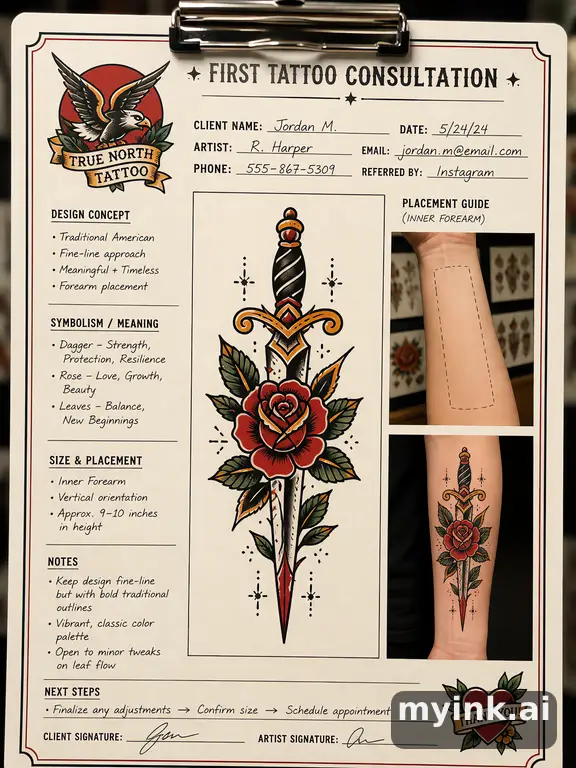
Before sending anything to an artist, write a short brief: subject, style, placement, approximate size, meaning, colors to use or avoid, and any symbols that must stay out. Add one or two generated references, not twenty. A tight brief gives the artist space to create original work while preserving your intent.
Avoid treating a generated image as proof that a tattoo is safe, culturally appropriate, or technically ready. Ask a professional about stencil clarity, line weight, skin tone, placement movement, and healing. The better the AI-assisted planning, the easier that expert conversation becomes.
If the design still feels right after a short waiting period, the next step is a real consultation. If it stops feeling right, that is a useful result too. The safest tattoo planning workflow helps you avoid weak ideas as much as it helps you find strong ones.
What Makes a Preview Useful
A useful preview answers a specific decision question. On an aging page, the question is whether contrast and line weight will survive. On a meaning page, the question is whether the symbol says the right thing without becoming too crowded. On a cover-up page, the question is whether the new design can realistically hide the old shape. On a pack page, the question is whether the concept is ready for an artist handoff.
The best pages therefore combine image exploration with judgment. They explain what the design is good for, where it may fail, what to ask an artist, and which details should be simplified before the tattoo becomes permanent. This is the difference between browsing tattoo images and actually preparing for a safer appointment.
If the output feels close, do not keep generating randomly. Change one variable at a time: style, placement, size, subject, color, or amount of detail. Comparing focused variations helps you see which part of the idea is strong and which part is creating risk.
A tattoo preview should also make refusal easier. If the design looks wrong on the body, feels too tied to a temporary emotion, depends on detail that will not age, or needs a placement you are not comfortable wearing, stop there. Avoiding the wrong tattoo is a successful planning outcome.
Handoff examples should be judged by clarity. A useful example explains the concept, shows the chosen direction, gives the artist enough context, and leaves room for the artist to redraw instead of forcing a copied AI image. If the handoff would confuse a professional, the design is not ready yet.
Guide pages should help with the questions that sit around the image: what to prepare before a first tattoo, how to think about aftercare, when numbing cream needs artist approval, and how to avoid using pain or urgency as the only decision filter.
Sample handoff pages should be especially concrete. They need to show how a chosen direction supports an artist conversation, what still needs professional review, and when a user should keep refining the same Studio project.
When a page helps someone ask a better question before the needle touches skin, it has done real work for both searchers and future clients.
That is why the planning pages emphasize clear briefs, readable designs, realistic sizing, and artist review instead of treating image generation as the final step.
If a sample cannot explain that handoff clearly, it should be revised before publishing.
Clear handoffs reduce appointment friction.
They also reduce revision waste later.