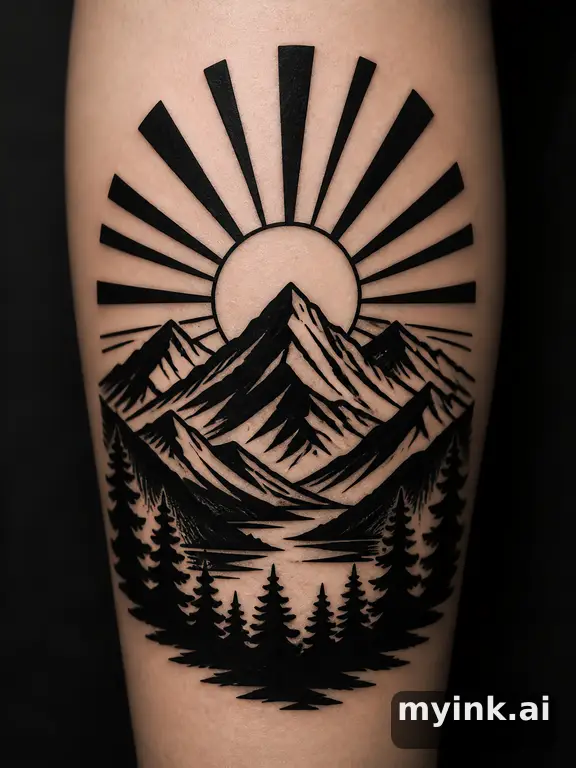
Cross Tattoo Designs & Patterns — Simple to Ornate
Cross tattoo designs carry some of the deepest symbolism in body art, spanning faith, heritage, and personal meaning. From a simple two-line intersection to elaborate Celtic knotwork or ornate gothic crucifixes, the cross adapts to every style and size. It is one of the few tattoo motifs that works equally well as a tiny finger tattoo or a full-back masterpiece. Whether your cross represents religious devotion, a memorial for someone you have lost, or simply the aesthetic appeal of balanced geometry, this guide covers every variation to help you find the perfect cross tattoo design.
Popular Cross Tattoo Styles
Simple and Minimalist Cross
Two clean lines — nothing more. Minimalist cross tattoo designs are among the most timeless tattoos you can get. They work at any scale, from a tiny finger cross to a clean forearm piece.
Celtic Cross
The circle-intersected cross with intricate knotwork represents Irish and Scottish heritage. Celtic cross tattoo designs range from simple outlines to heavily detailed pieces with braided patterns.
Christian and Catholic Cross
The Latin cross (vertical longer than horizontal) is the most recognized Christian symbol. Ornate versions include crucifixes with Jesus, rosary beads, and stained-glass inspiration.
Gothic and Ornamental Cross
Dark, elaborate cross tattoo designs with filigree, thorns, and dramatic shading. Popular in blackwork and dark-art styles.
Tribal Cross
Bold black patterns inspired by Polynesian and Maori art wrapped into a cross form. Tribal cross tattoo designs make a strong visual statement.
Cross Tattoo Placement Guide
Forearm and Wrist
The most common placement for cross tattoo designs. A small cross on the inner wrist is subtle and personal, while a larger piece along the forearm allows more detail.
Chest and Over the Heart
Placing a cross over the heart is deeply symbolic — literally keeping faith close. This placement suits medium to large cross designs.
Upper Back and Between Shoulders
The upper back provides a symmetrical canvas for centered cross tattoo designs. This area is lower-pain and easily concealed.
Finger and Behind Ear
Tiny cross tattoos on the ring finger or behind the ear are minimal and discreet. They fade faster than other placements, so expect touch-ups.
Cross Tattoo Meaning and Symbolism
Faith and Devotion
The most common meaning — a cross tattoo represents Christian faith, spirituality, and devotion to God. Many people get cross tattoo designs after a spiritual experience or milestone.
Memorial and Loss
Crosses are the most popular memorial tattoo motif. Adding a name, date, or 'rest in peace' text below a cross honors a loved one who has passed.
Heritage and Culture
Celtic crosses connect to Irish and Scottish roots. Coptic crosses represent Ethiopian and Egyptian Christian traditions. Each cultural variation carries distinct meaning.
Strength and Protection
Beyond religion, crosses can symbolize the intersection of paths, balanced forces, or personal strength. In some traditions, the cross is a protective talisman.
Generate Your Custom Cross Tattoo with AI
Open the studio with this idea pre-loaded, choose a style, and generate your design in seconds.
Open the Studio →Cross Tattoo Inspiration Gallery
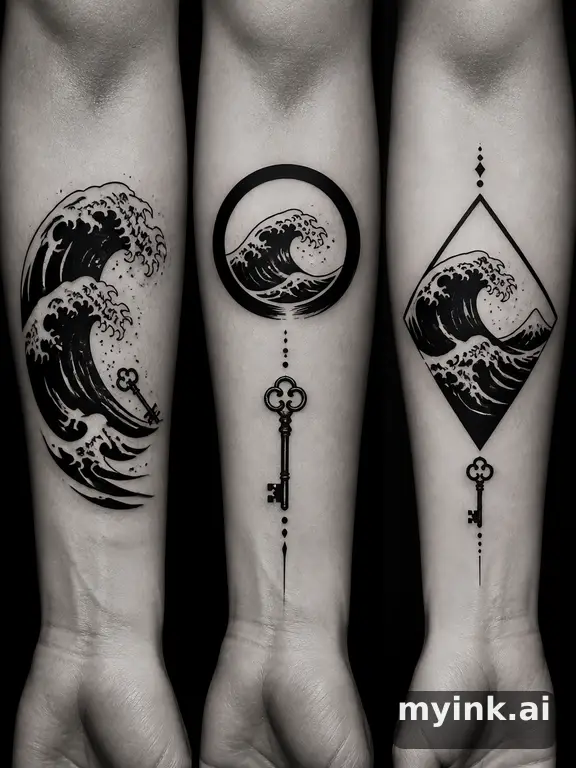
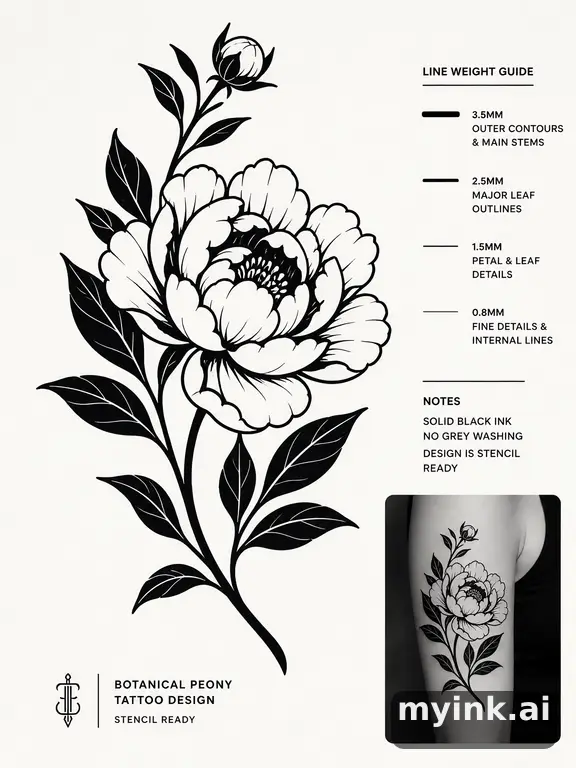
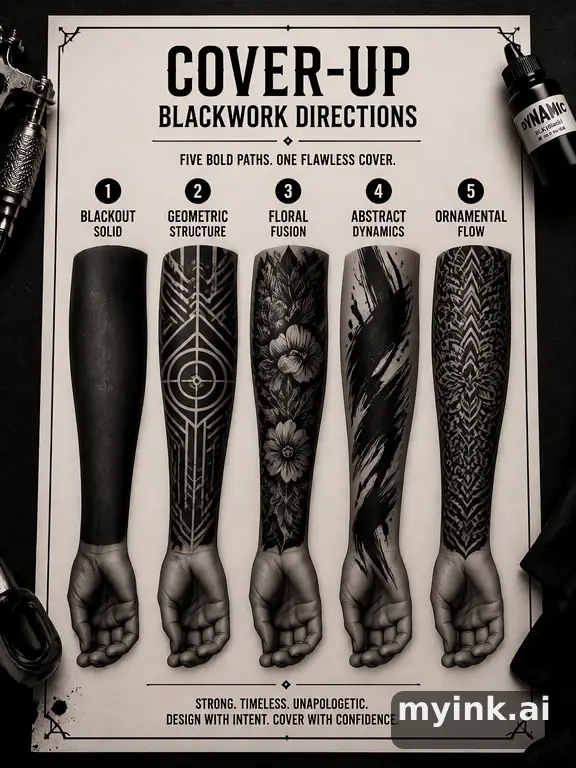
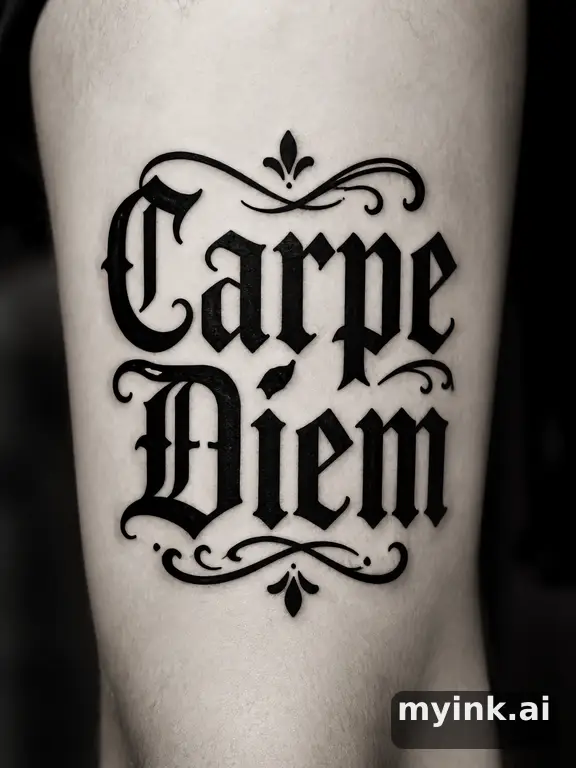
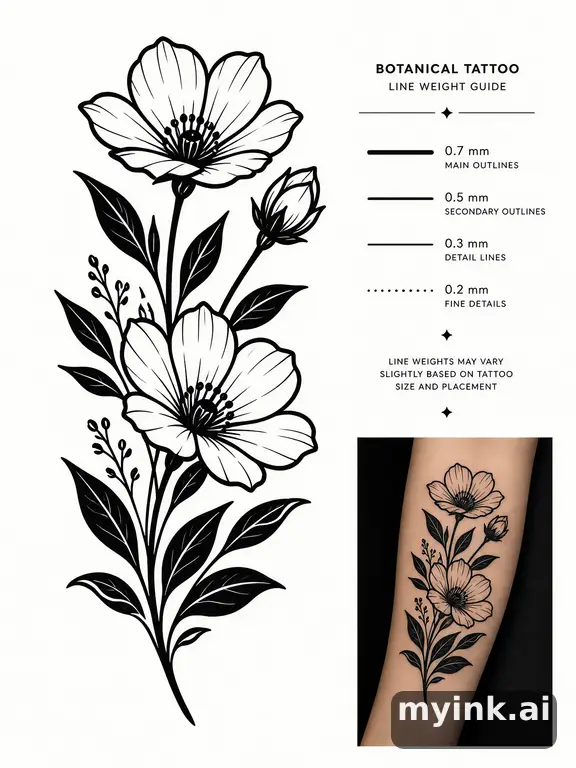
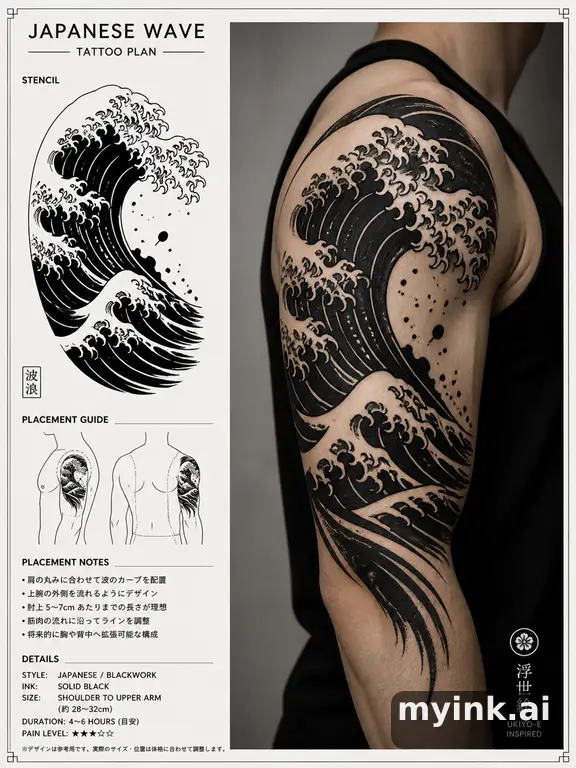
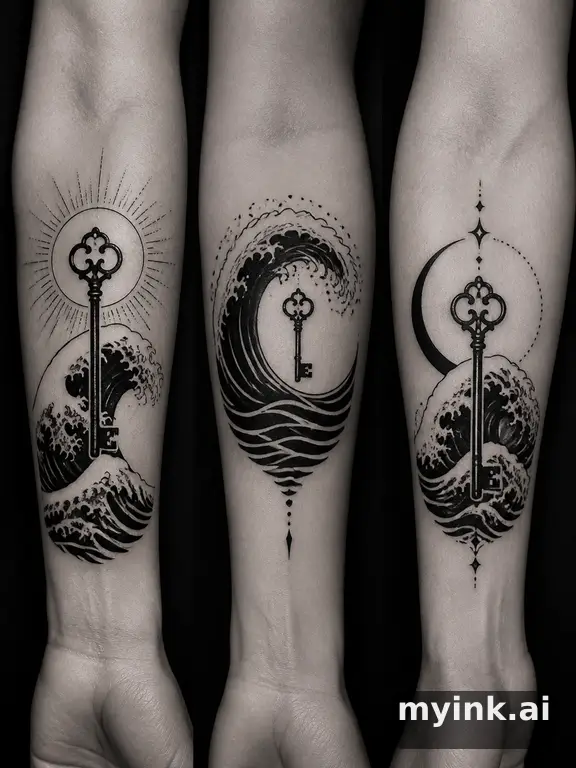
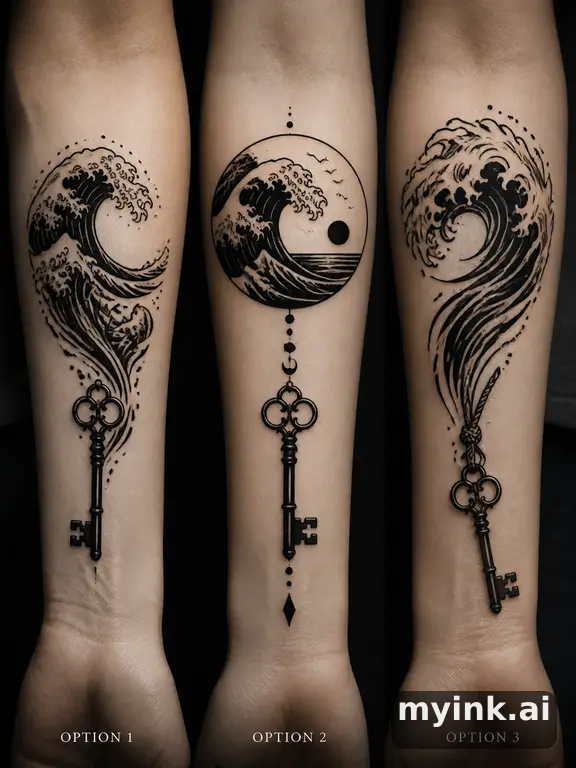
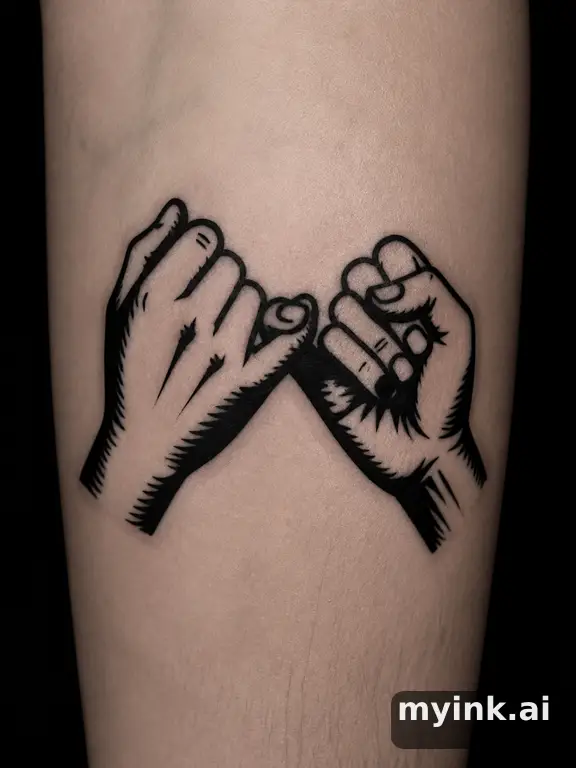
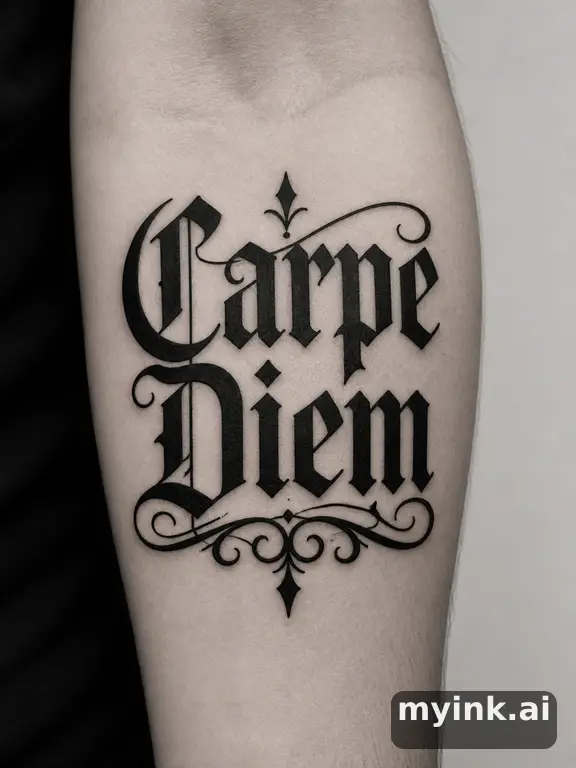
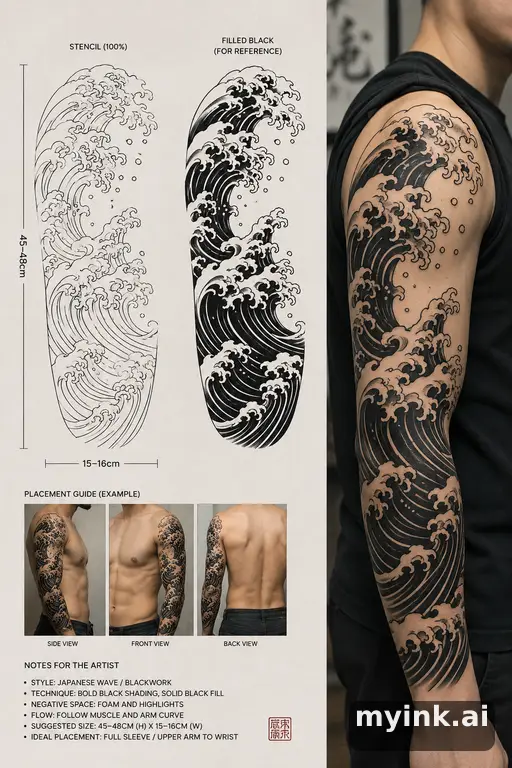
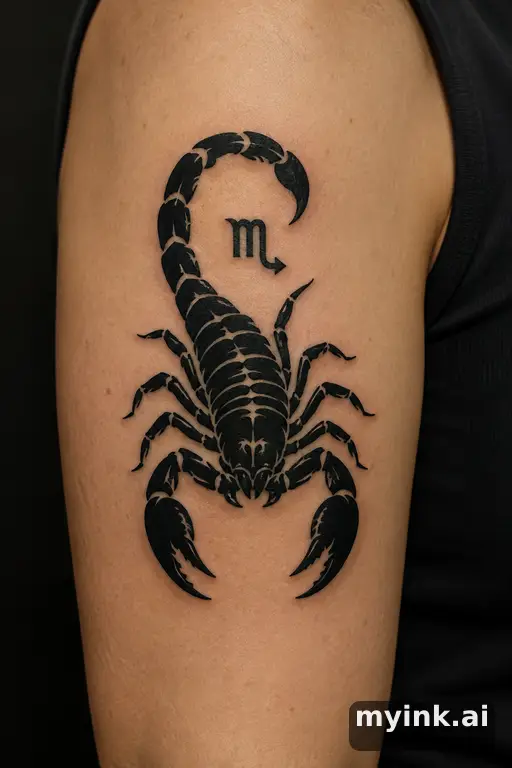
AI-generated cross tattoo designs across multiple styles. Click any design for details.
















Styles That Work for This Design
Trusted Resources
Cross Tattoo FAQ
Is it disrespectful to get a cross tattoo?
For most people, a cross tattoo is a respectful expression of faith, heritage, or remembrance. However, be mindful of specific cultural crosses — for example, getting a Maori cross without Maori heritage may be seen as cultural appropriation.
What is the difference between a Celtic cross and a Christian cross?
A Celtic cross features a circle around the intersection of the arms and typically includes knotwork patterns. A Christian (Latin) cross has a longer vertical beam and is simpler in design.
Where is the best placement for a cross tattoo?
The forearm, chest, and upper back are the most popular placements for cross tattoo designs. The wrist and behind-ear are popular for small, minimalist crosses.
How much does a cross tattoo cost?
Simple line crosses start at $50-100. Medium Celtic or ornamental designs cost $200-500. Large detailed crosses with shading can cost $500-1,500+.
Can I design a custom cross tattoo with AI?
Yes — use the generator above. Try prompts like 'ornate Celtic cross with knotwork' or 'simple minimalist cross' to see AI-generated variations instantly.
What are good cross tattoo ideas for men?
Popular cross tattoo designs for men include large Celtic crosses on the upper arm, tribal cross sleeves, gothic crucifixes on the chest, and bold blackwork crosses between the shoulders. Men tend to choose larger, more detailed cross designs.
What does a small cross tattoo on the wrist mean?
A small cross tattoo on the wrist typically represents personal faith, a daily spiritual reminder, or a memorial for a loved one. The wrist placement keeps the symbol visible as a constant touchpoint throughout the day.
What are cross tattoo patterns and styles?
Cross tattoo patterns range from simple single-line designs to intricate Celtic knotwork, ornamental filigree, gothic cathedral-inspired motifs, and Polynesian tribal patterns. Each pattern reflects different cultural and aesthetic traditions.
Related Tattoo Designs
Simple Tattoo Designs
Explore simple tattoo designs perfect for your first ink. Clean lines, minimal d...
Rose Tattoo Designs
Explore 100+ rose tattoo designs from minimalist single-line to realistic shaded...
Name Tattoo Designs
Design beautiful name tattoos with 50+ font styles. From elegant scripts to bold...
Tattoo Designs for Men
Browse 200+ tattoo designs for men. Sleeve, arm, chest, and back ideas across ev...
Create Your Perfect Cross Tattoo
Start with 8 free credits for one full design set. Preview on your body before your appointment.
How to Use an AI Tattoo Preview Before You Book
MyInk is most useful when the output is treated as a planning reference, not a finished tattoo appointment file. Start with the idea you want to test, choose a style that has a real tattoo tradition behind it, then review whether the design can survive on skin at the size and placement you have in mind.
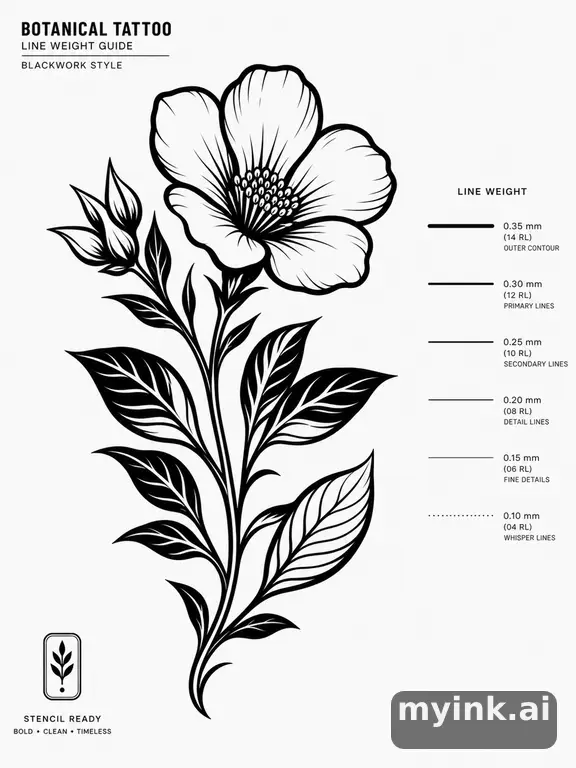
A strong tattoo preview should have one clear subject, readable contrast, and enough negative space for the design to age. Tiny lettering, hairline detail, crowded symbols, soft watercolor edges, and low-contrast color combinations can look beautiful on screen while becoming hard to read after healing and years of sun exposure.
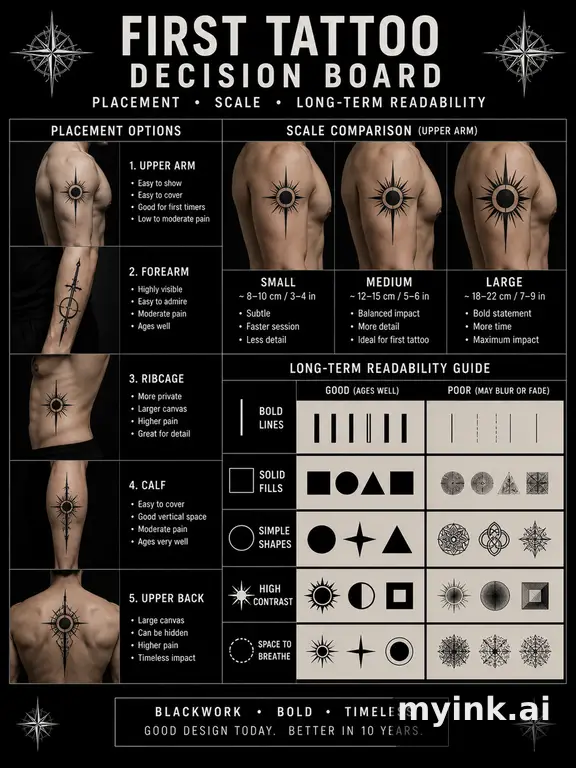
Placement changes the design. A forearm can carry vertical compositions and readable symbols. Ribs and chest placements need more attention to pain, breathing movement, and body curvature. Fingers, hands, and wrists fade faster because the skin moves, washes, and rubs more often. The preview should help you see those tradeoffs before you pay a deposit.
Use the generator to create directions, then narrow to one or two realistic options. Save the prompt, style, placement, and reference image. That record gives your artist a clearer starting point than a folder of unrelated screenshots and helps prevent last-minute design confusion at the consultation.
An artist still needs to redraw, resize, and adapt the concept. Tattooing is not the same as printing an image on skin. Line weight, stencil clarity, needle grouping, skin tone, body movement, and healing all affect the final result. Treat any AI image as a brief for discussion, not a file to copy without judgment.
Be especially careful with memorial, cultural, religious, medical, or partner-name tattoo ideas. Those designs carry meaning beyond aesthetics, so the right workflow includes a pause: check the spelling, symbolism, cultural context, and long-term emotional fit before turning a preview into a permanent mark.
If a page only gives you a pretty image, it has not answered the important question. A useful tattoo planning page should explain who the idea suits, where it works, what might age poorly, what to ask an artist, and when a safer variation would be smarter.
Before booking, compare the design at phone size, full screen, and roughly the real size on your body. If the main shape disappears when small, simplify it. If the design relies on fragile detail, make it larger or choose a bolder style. If the meaning feels unclear, revise the concept before you involve an artist.
Best fit
Early tattoo ideation, style comparison, placement preview, cover-up exploration, memorial concept drafting, and preparing a clearer brief for an artist.
Poor fit
Copying another artist's work, replacing professional stencil preparation, guessing cultural meaning, or choosing a permanent tattoo from a single unreviewed image.
Before using
Check meaning, size, placement, contrast, aging risk, spelling, artist feasibility, and whether the design still feels right after a short waiting period.
Tattoo Planning Checklist
Decide the role of the tattoo first. A decorative piece can be judged by visual strength, fit, and longevity. A memorial or symbolic piece needs a second layer of review: spelling, dates, cultural meaning, emotional timing, and whether the symbol will still feel right when the current life moment has changed.
Check the design at real size. A beautiful full-screen image can fail when reduced to a three-inch wrist tattoo. If the subject, lettering, or secondary symbols become hard to read at actual size, the concept needs fewer details, heavier line weight, more open spacing, or a larger placement.
Compare the style with the body area. Traditional, blackwork, and neo-traditional designs usually tolerate aging better because they use stronger outlines and contrast. Fine-line, watercolor, and tiny geometric pieces can be excellent, but they need careful artist selection, realistic sizing, and acceptance that touch-ups may be part of ownership.
If you are planning a cover-up, be even more conservative. A cover-up has to solve the old tattoo's darkness, shape, and location before it can become a new design. The AI preview can help explore directions, but a cover-up artist must judge what is possible on the existing skin.
Use try-on previews to test placement honestly. Rotate, scale, and compare the idea on the intended body part. A design that looks balanced on a flat screen may distort around elbows, ribs, wrists, shoulders, knees, or fingers. The goal is not a perfect simulation; the goal is catching obvious placement mistakes early.
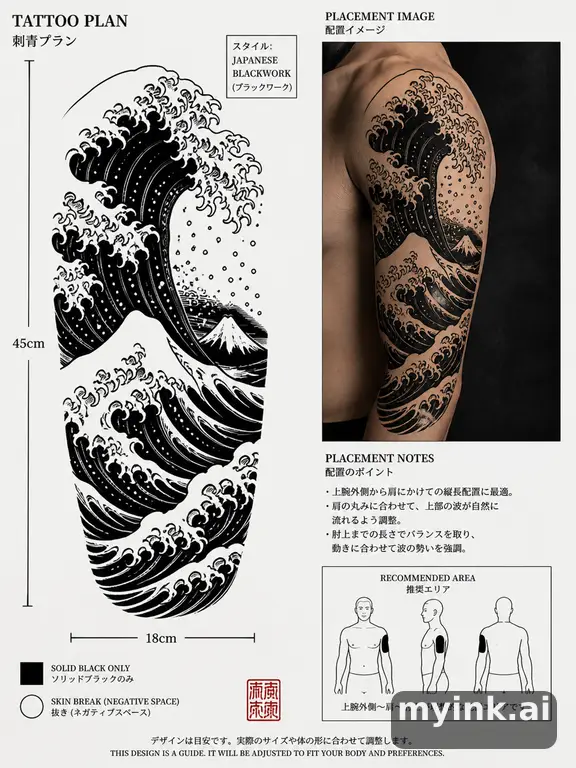
Before sending anything to an artist, write a short brief: subject, style, placement, approximate size, meaning, colors to use or avoid, and any symbols that must stay out. Add one or two generated references, not twenty. A tight brief gives the artist space to create original work while preserving your intent.
Avoid treating a generated image as proof that a tattoo is safe, culturally appropriate, or technically ready. Ask a professional about stencil clarity, line weight, skin tone, placement movement, and healing. The better the AI-assisted planning, the easier that expert conversation becomes.
If the design still feels right after a short waiting period, the next step is a real consultation. If it stops feeling right, that is a useful result too. The safest tattoo planning workflow helps you avoid weak ideas as much as it helps you find strong ones.
What Makes a Preview Useful
A useful preview answers a specific decision question. On an aging page, the question is whether contrast and line weight will survive. On a meaning page, the question is whether the symbol says the right thing without becoming too crowded. On a cover-up page, the question is whether the new design can realistically hide the old shape. On a pack page, the question is whether the concept is ready for an artist handoff.
The best pages therefore combine image exploration with judgment. They explain what the design is good for, where it may fail, what to ask an artist, and which details should be simplified before the tattoo becomes permanent. This is the difference between browsing tattoo images and actually preparing for a safer appointment.
If the output feels close, do not keep generating randomly. Change one variable at a time: style, placement, size, subject, color, or amount of detail. Comparing focused variations helps you see which part of the idea is strong and which part is creating risk.
A tattoo preview should also make refusal easier. If the design looks wrong on the body, feels too tied to a temporary emotion, depends on detail that will not age, or needs a placement you are not comfortable wearing, stop there. Avoiding the wrong tattoo is a successful planning outcome.
Handoff examples should be judged by clarity. A useful example explains the concept, shows the chosen direction, gives the artist enough context, and leaves room for the artist to redraw instead of forcing a copied AI image. If the handoff would confuse a professional, the design is not ready yet.
Guide pages should help with the questions that sit around the image: what to prepare before a first tattoo, how to think about aftercare, when numbing cream needs artist approval, and how to avoid using pain or urgency as the only decision filter.
Sample handoff pages should be especially concrete. They need to show how a chosen direction supports an artist conversation, what still needs professional review, and when a user should keep refining the same Studio project.
When a page helps someone ask a better question before the needle touches skin, it has done real work for both searchers and future clients.
That is why the planning pages emphasize clear briefs, readable designs, realistic sizing, and artist review instead of treating image generation as the final step.
If a sample cannot explain that handoff clearly, it should be revised before publishing.
Clear handoffs reduce appointment friction.
They also reduce revision waste later.