Couple Tattoo Ideas
Find the perfect matching or complementary tattoo for you and your partner. Browse AI-generated designs, then create your own custom version.
Design Your Couple Tattoo →The Complete Guide to Couple Tattoos
Couple tattoos are one of the most meaningful ways to celebrate a relationship. Whether you've been together for months or decades, a shared tattoo creates a permanent bond that goes beyond words. The best couple tattoos tell your unique story — from the place you met to an inside joke only you two understand.
Modern couple tattoos have evolved far beyond matching hearts and initials. Today's designs range from intricate geometric interlocking patterns to delicate minimalist line art that completes each other when placed side by side. The rise of AI tattoo generators has made it easier than ever to explore ideas — you can generate dozens of variations in minutes instead of spending hours with a sketchbook.
Popular Couple Tattoo Categories
Matching Minimalist Designs
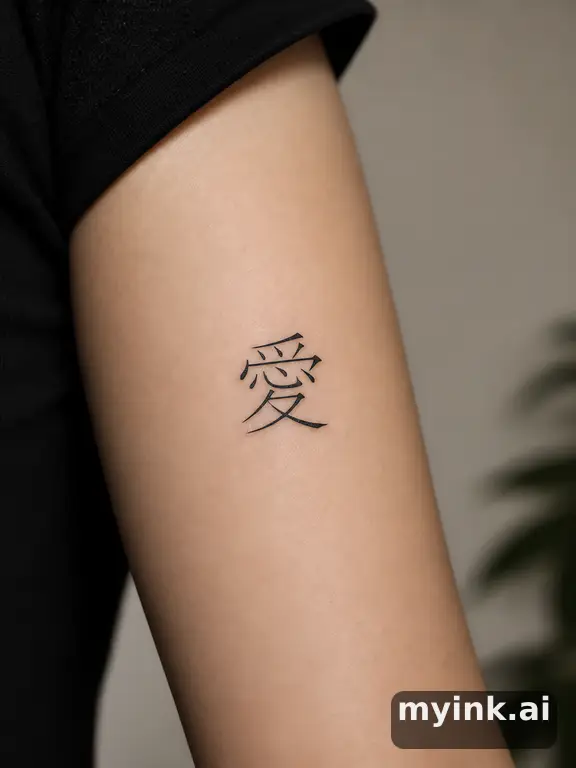
The most popular choice for couples. Fine-line designs that are identical or nearly identical — small hearts, infinity symbols, matching constellations, or coordinate numbers of a meaningful location. Minimalist tattoo designs work beautifully because they're subtle enough for daily wear but deeply personal.
Complementary Pairs
Two designs that complete each other — sun and moon, lock and key, king and queen, or puzzle pieces that fit together. These work especially well in Traditional or Neo-Traditional styles with bold outlines that make the connection between designs obvious.
Split Designs
One complete image split between two people. When you stand together, the full design appears. Popular splits include landscapes, anatomical hearts, or meaningful symbols. These look stunning in Watercolor style where colors blend at the split point.
Symbolic Matching
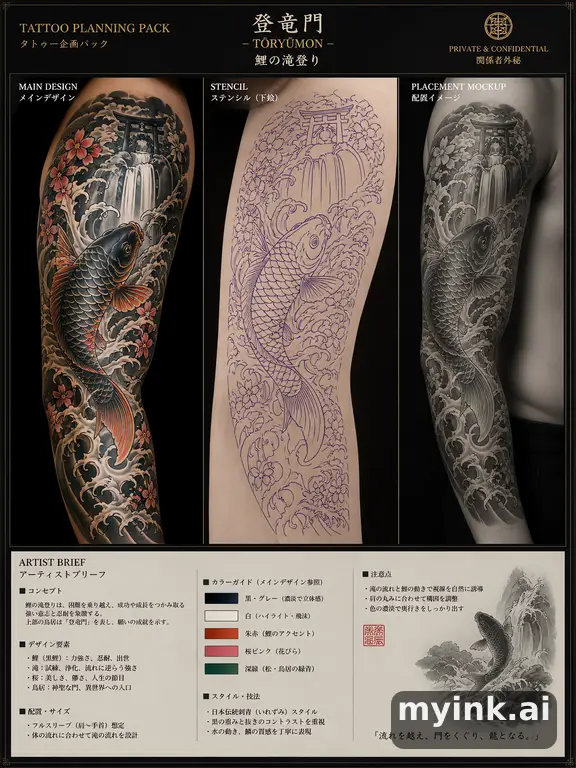
Designs that share a theme without being obvious matches. A wolf and a raven, an anchor and a compass, or different flowers from the same garden. Japanese style excels here — koi fish swimming in opposite directions, paired with cherry blossoms, creates a powerful visual narrative.
Best Placements for Couple Tattoos
Placement matters as much as the design itself. The most romantic couple tattoo placements include:
- Wrist: Visible and intimate. Perfect for minimalist designs and small symbols.
- Ring finger: A permanent symbol of commitment. Best for micro tattoos.
- Forearm: Larger canvas for detailed complementary designs. Easy to show off together.
- Behind the ear: Subtle and personal. Great for tiny matching symbols.
- Collarbone: Elegant placement for script or delicate designs.
Not sure about placement? Our virtual tattoo try-on lets you preview designs on your actual body before committing.
Tips from Tattoo Professionals
According to the Alliance of Professional Tattooists, here are key tips for couple tattoos:
- Choose designs that have meaning independent of the relationship
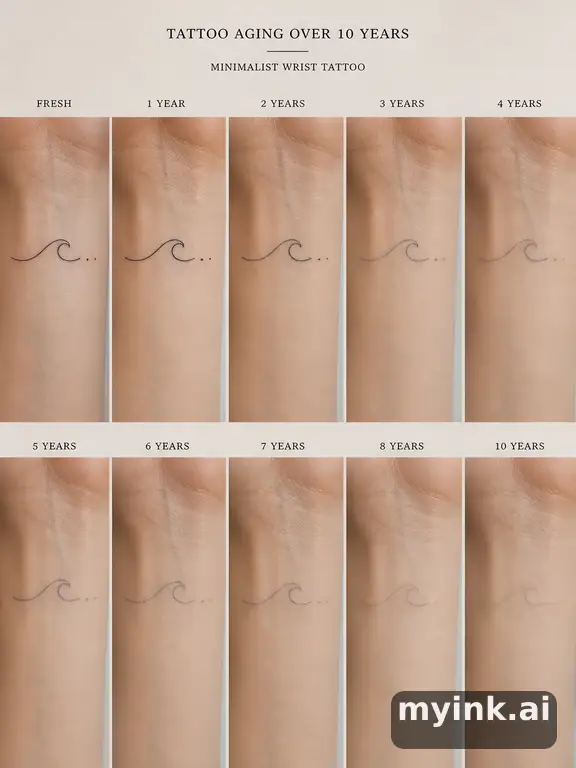
- Consider how the design ages — fine lines may blur over time (see the AAD's tattoo guide)
- Get tattooed by the same artist for consistent style and line weight
- Book your appointments together so the artist can ensure the designs complement each other
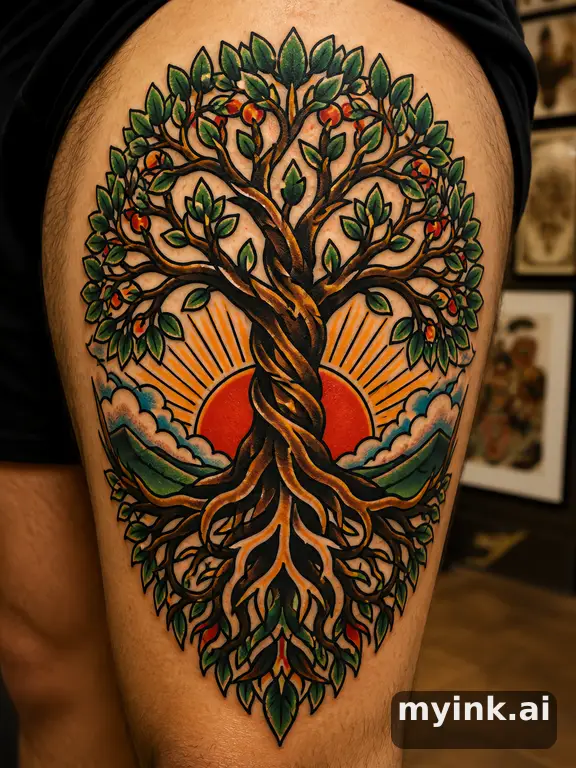
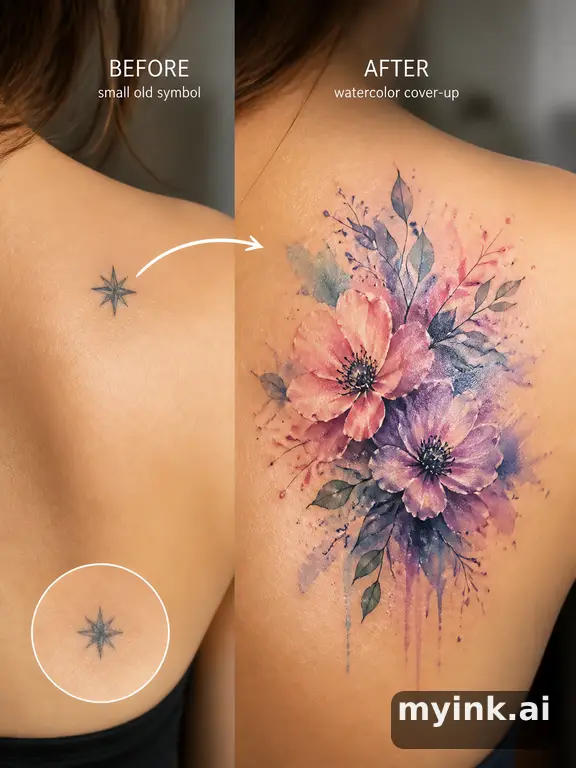
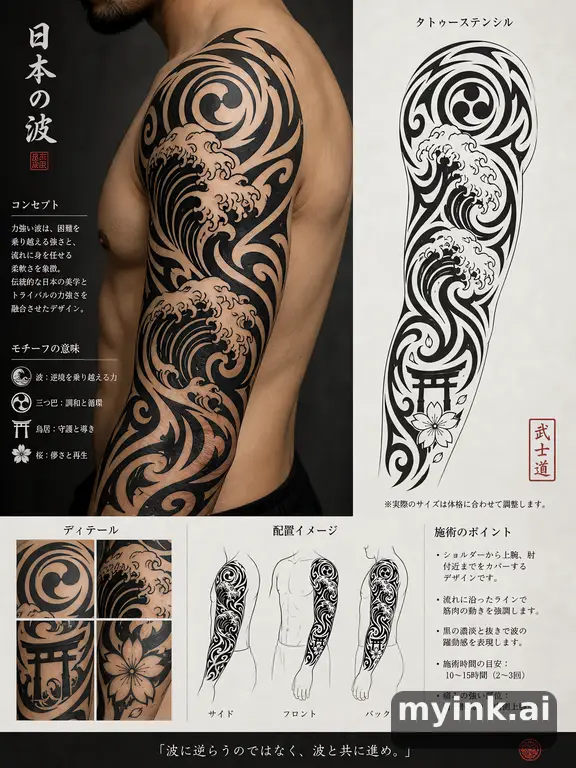
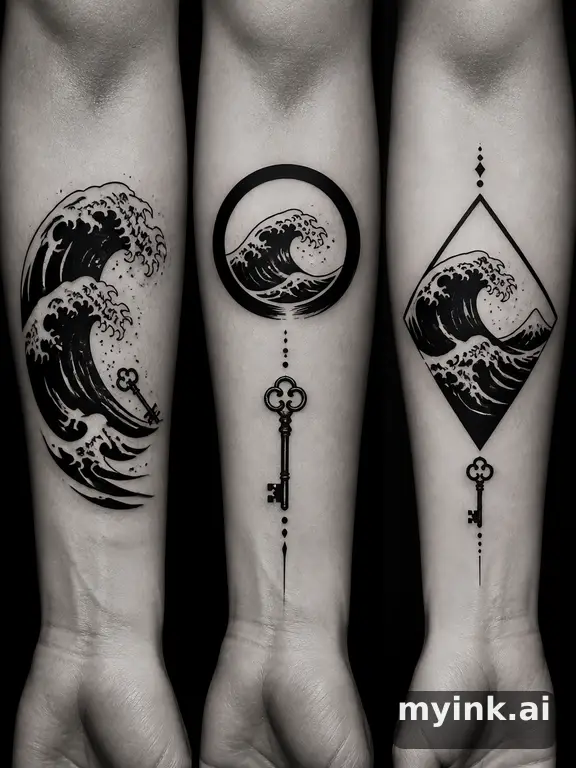
Couple Tattoo Inspiration Gallery
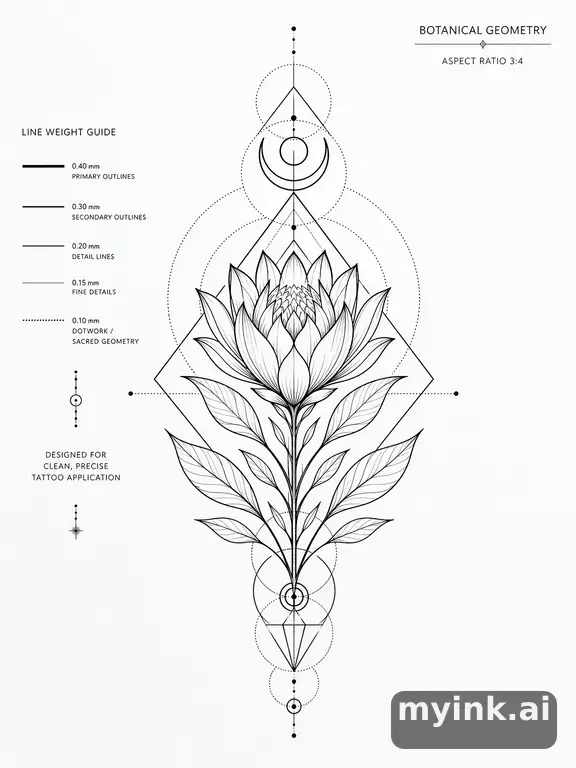
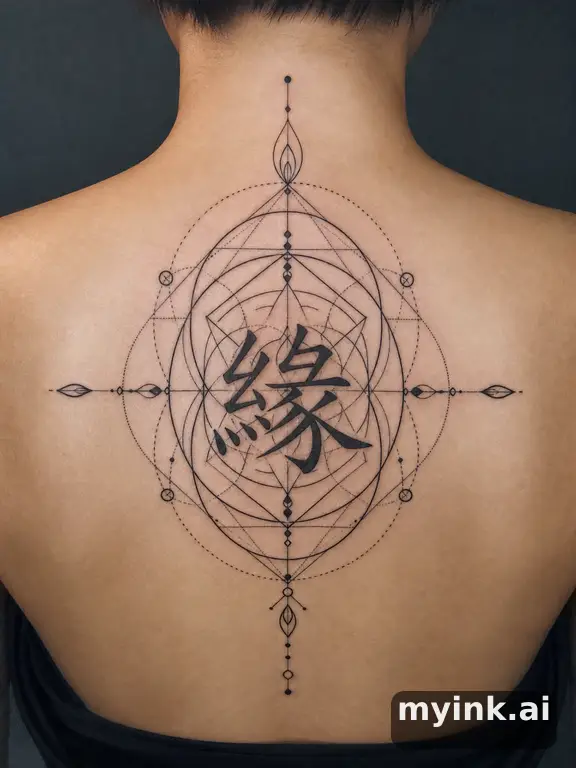
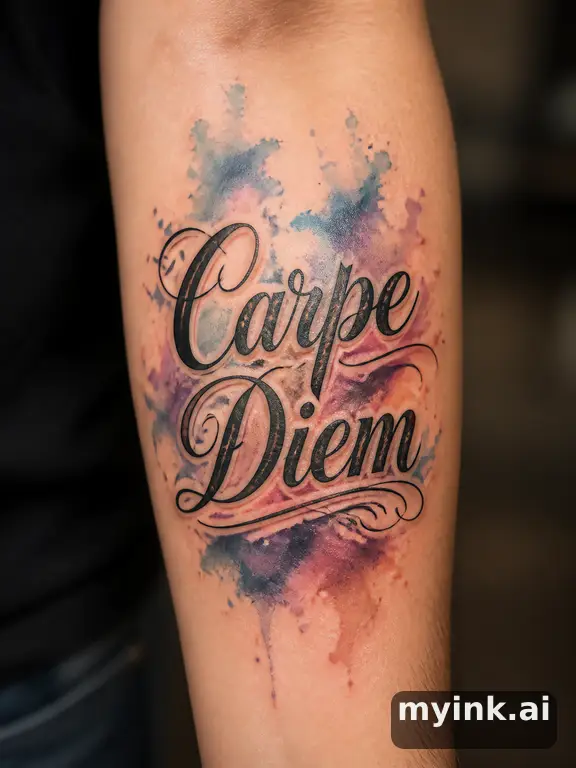
Browse AI-generated designs perfect for couples. Click any design to see details, or generate your own custom version.








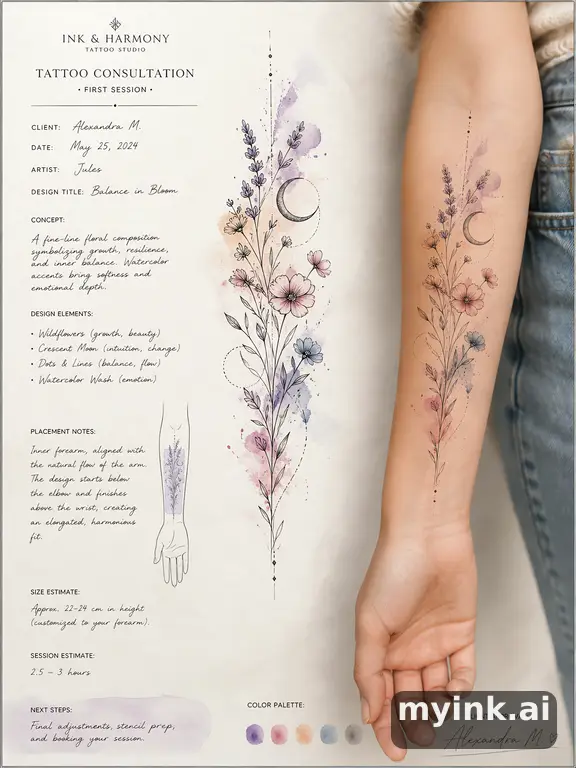


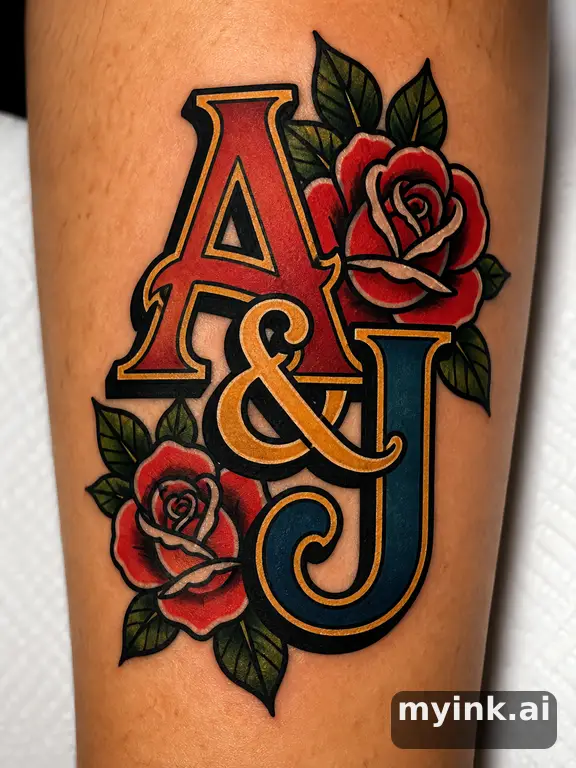

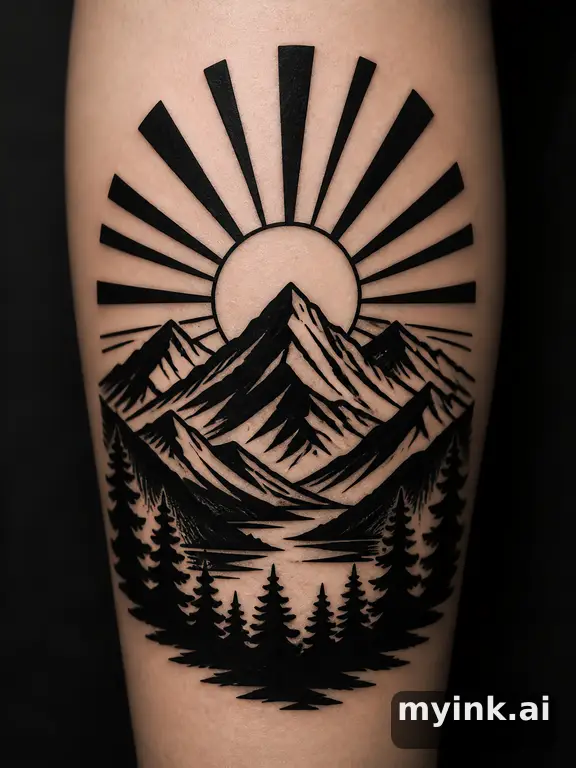













Couple Tattoo FAQ
What are the most popular couple tattoo styles?
Minimalist matching designs are the most popular choice for couples — think fine-line hearts, initials, or coordinates. Other popular styles include Traditional (matching roses or anchors), Geometric (interlocking shapes), and Watercolor (complementary splash designs). The best couple tattoo is one that holds personal meaning for both partners.
Should couple tattoos match exactly?
Not necessarily. Many couples prefer complementary designs over identical ones. For example, matching sun and moon, king and queen chess pieces, or two halves of the same design. Complementary tattoos feel more personal and each partner gets a design that stands on its own.
Where should couples get matching tattoos?
The most popular placements for couple tattoos are wrists (visible and intimate), ring fingers (symbolic of commitment), forearms (easy to compare side-by-side), and behind the ear (subtle and personal). Consider choosing a placement where the tattoos can be shown together when you're side by side.
How can AI help design couple tattoos?
Our AI tattoo generator lets you experiment with matching and complementary designs instantly. Describe your concept, try different styles, and generate multiple variations — all before committing to ink. You can also use our virtual try-on to preview both designs on your actual skin.
Are couple tattoos a good idea?
Couple tattoos can be beautiful when they hold genuine personal meaning. The key is choosing a design that you'd still love independently. Many tattoo artists recommend designs inspired by shared experiences, meaningful dates, or inside references rather than names. AI generators let you experiment freely before deciding.
How much do couple tattoos cost?
Couple tattoo pricing varies widely based on size, detail, and artist rates. Simple minimalist matching designs typically range from $50-150 each. More detailed matching pieces can run $200-500+ per person. Using an AI generator to finalize your design before the appointment helps avoid costly revision sessions.
Design Your Perfect Couple Tattoo
Start with 8 free credits. Compare one matching or complementary direction before paying.
How to Use an AI Tattoo Preview Before You Book
MyInk is most useful when the output is treated as a planning reference, not a finished tattoo appointment file. Start with the idea you want to test, choose a style that has a real tattoo tradition behind it, then review whether the design can survive on skin at the size and placement you have in mind.
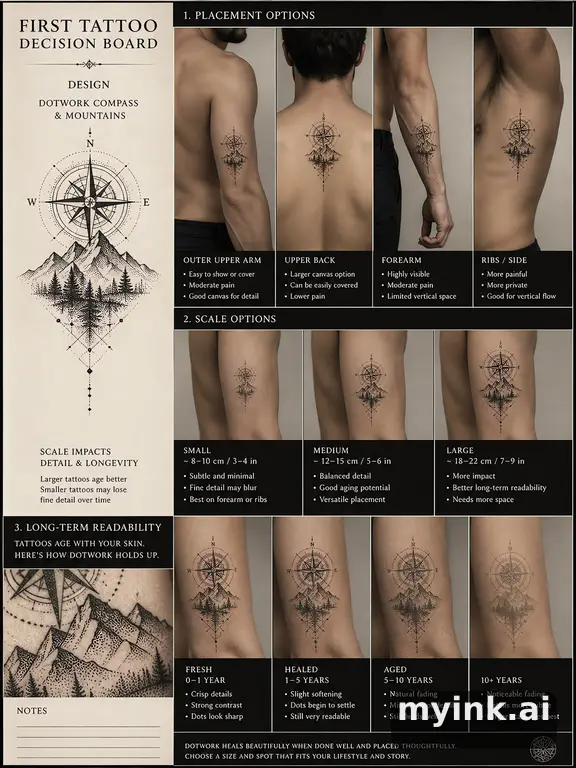
A strong tattoo preview should have one clear subject, readable contrast, and enough negative space for the design to age. Tiny lettering, hairline detail, crowded symbols, soft watercolor edges, and low-contrast color combinations can look beautiful on screen while becoming hard to read after healing and years of sun exposure.
Placement changes the design. A forearm can carry vertical compositions and readable symbols. Ribs and chest placements need more attention to pain, breathing movement, and body curvature. Fingers, hands, and wrists fade faster because the skin moves, washes, and rubs more often. The preview should help you see those tradeoffs before you pay a deposit.
Use the generator to create directions, then narrow to one or two realistic options. Save the prompt, style, placement, and reference image. That record gives your artist a clearer starting point than a folder of unrelated screenshots and helps prevent last-minute design confusion at the consultation.
An artist still needs to redraw, resize, and adapt the concept. Tattooing is not the same as printing an image on skin. Line weight, stencil clarity, needle grouping, skin tone, body movement, and healing all affect the final result. Treat any AI image as a brief for discussion, not a file to copy without judgment.
Be especially careful with memorial, cultural, religious, medical, or partner-name tattoo ideas. Those designs carry meaning beyond aesthetics, so the right workflow includes a pause: check the spelling, symbolism, cultural context, and long-term emotional fit before turning a preview into a permanent mark.
If a page only gives you a pretty image, it has not answered the important question. A useful tattoo planning page should explain who the idea suits, where it works, what might age poorly, what to ask an artist, and when a safer variation would be smarter.
Before booking, compare the design at phone size, full screen, and roughly the real size on your body. If the main shape disappears when small, simplify it. If the design relies on fragile detail, make it larger or choose a bolder style. If the meaning feels unclear, revise the concept before you involve an artist.
Best fit
Early tattoo ideation, style comparison, placement preview, cover-up exploration, memorial concept drafting, and preparing a clearer brief for an artist.
Poor fit
Copying another artist's work, replacing professional stencil preparation, guessing cultural meaning, or choosing a permanent tattoo from a single unreviewed image.
Before using
Check meaning, size, placement, contrast, aging risk, spelling, artist feasibility, and whether the design still feels right after a short waiting period.
Tattoo Planning Checklist
Decide the role of the tattoo first. A decorative piece can be judged by visual strength, fit, and longevity. A memorial or symbolic piece needs a second layer of review: spelling, dates, cultural meaning, emotional timing, and whether the symbol will still feel right when the current life moment has changed.
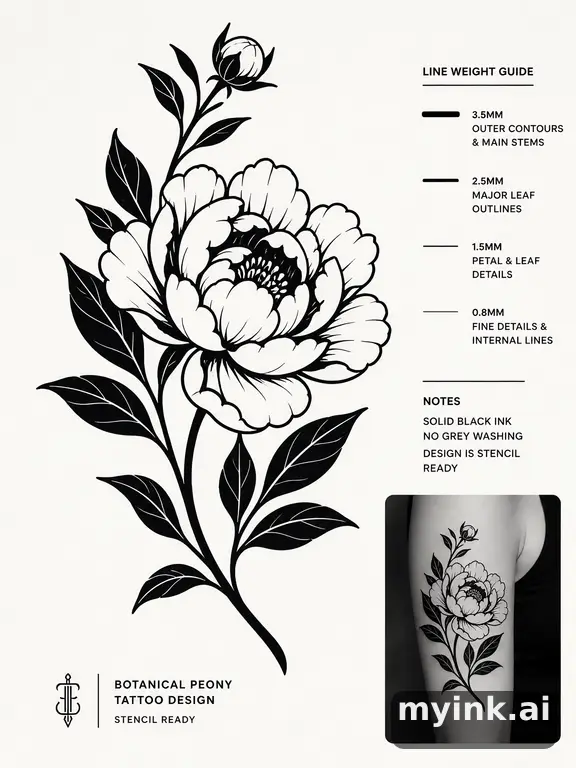
Check the design at real size. A beautiful full-screen image can fail when reduced to a three-inch wrist tattoo. If the subject, lettering, or secondary symbols become hard to read at actual size, the concept needs fewer details, heavier line weight, more open spacing, or a larger placement.
Compare the style with the body area. Traditional, blackwork, and neo-traditional designs usually tolerate aging better because they use stronger outlines and contrast. Fine-line, watercolor, and tiny geometric pieces can be excellent, but they need careful artist selection, realistic sizing, and acceptance that touch-ups may be part of ownership.
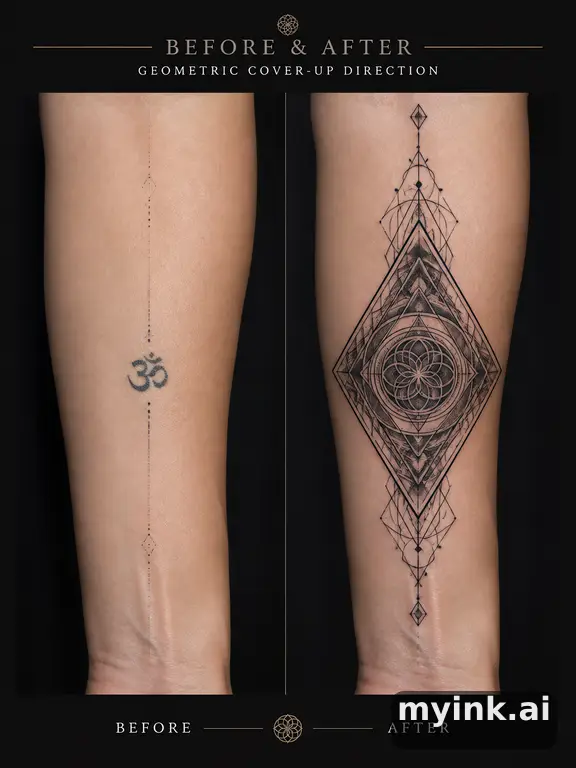
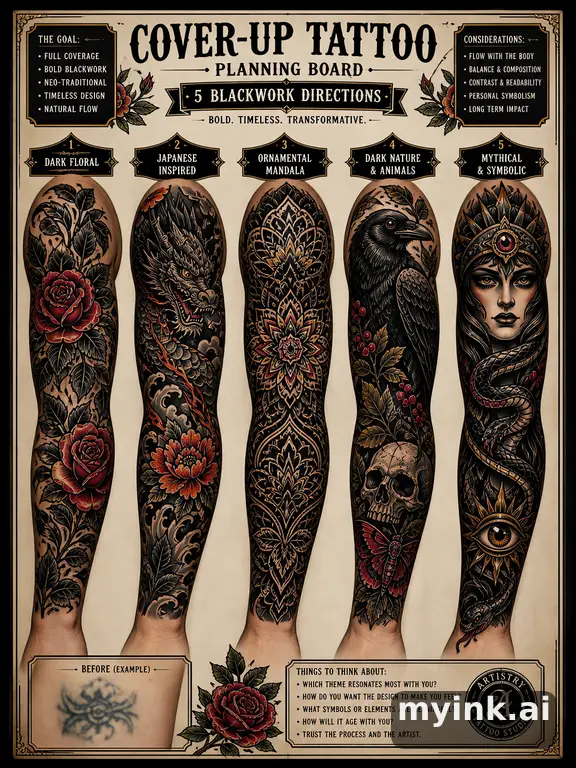
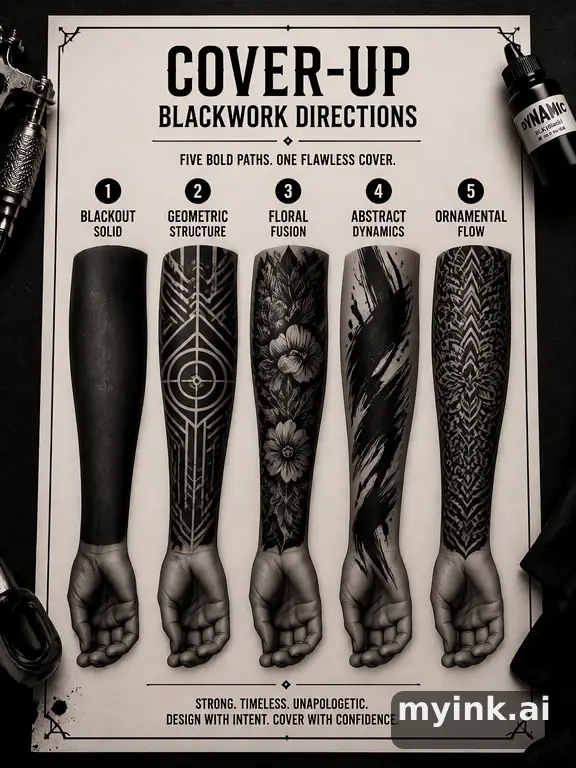
If you are planning a cover-up, be even more conservative. A cover-up has to solve the old tattoo's darkness, shape, and location before it can become a new design. The AI preview can help explore directions, but a cover-up artist must judge what is possible on the existing skin.
Use try-on previews to test placement honestly. Rotate, scale, and compare the idea on the intended body part. A design that looks balanced on a flat screen may distort around elbows, ribs, wrists, shoulders, knees, or fingers. The goal is not a perfect simulation; the goal is catching obvious placement mistakes early.
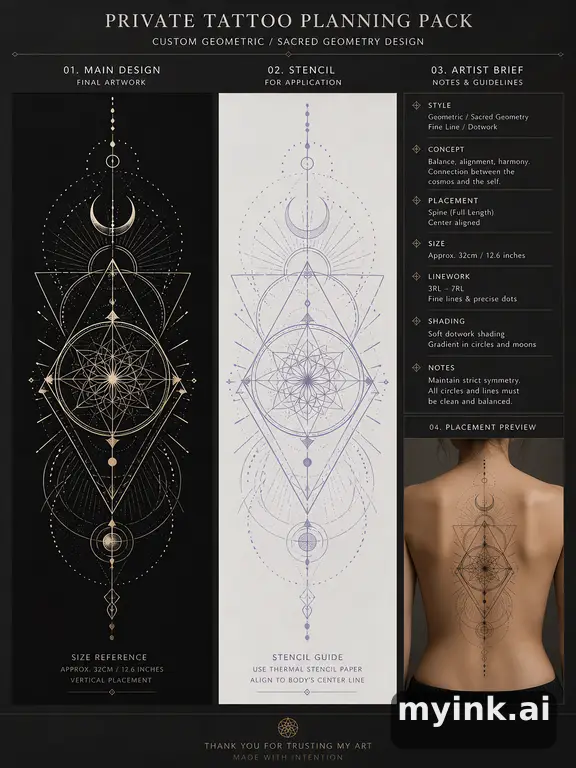
Before sending anything to an artist, write a short brief: subject, style, placement, approximate size, meaning, colors to use or avoid, and any symbols that must stay out. Add one or two generated references, not twenty. A tight brief gives the artist space to create original work while preserving your intent.
Avoid treating a generated image as proof that a tattoo is safe, culturally appropriate, or technically ready. Ask a professional about stencil clarity, line weight, skin tone, placement movement, and healing. The better the AI-assisted planning, the easier that expert conversation becomes.
If the design still feels right after a short waiting period, the next step is a real consultation. If it stops feeling right, that is a useful result too. The safest tattoo planning workflow helps you avoid weak ideas as much as it helps you find strong ones.
What Makes a Preview Useful
A useful preview answers a specific decision question. On an aging page, the question is whether contrast and line weight will survive. On a meaning page, the question is whether the symbol says the right thing without becoming too crowded. On a cover-up page, the question is whether the new design can realistically hide the old shape. On a pack page, the question is whether the concept is ready for an artist handoff.
The best pages therefore combine image exploration with judgment. They explain what the design is good for, where it may fail, what to ask an artist, and which details should be simplified before the tattoo becomes permanent. This is the difference between browsing tattoo images and actually preparing for a safer appointment.
If the output feels close, do not keep generating randomly. Change one variable at a time: style, placement, size, subject, color, or amount of detail. Comparing focused variations helps you see which part of the idea is strong and which part is creating risk.
A tattoo preview should also make refusal easier. If the design looks wrong on the body, feels too tied to a temporary emotion, depends on detail that will not age, or needs a placement you are not comfortable wearing, stop there. Avoiding the wrong tattoo is a successful planning outcome.
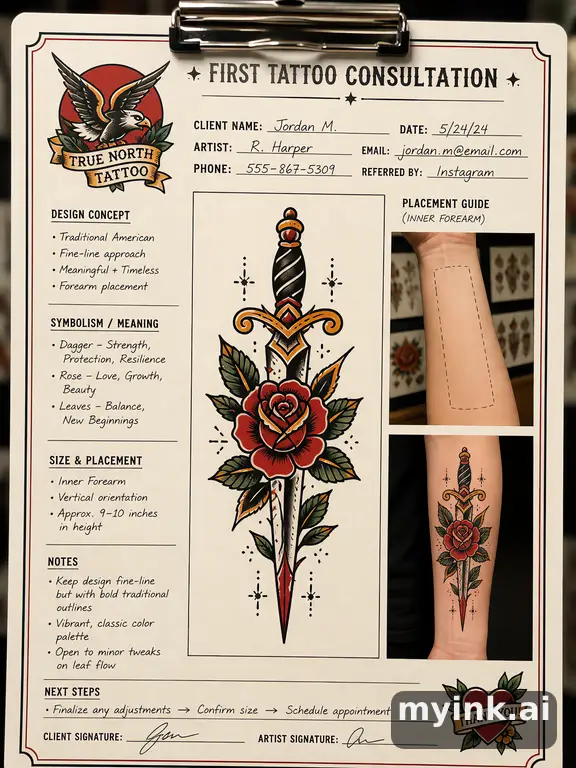
Handoff examples should be judged by clarity. A useful example explains the concept, shows the chosen direction, gives the artist enough context, and leaves room for the artist to redraw instead of forcing a copied AI image. If the handoff would confuse a professional, the design is not ready yet.
Guide pages should help with the questions that sit around the image: what to prepare before a first tattoo, how to think about aftercare, when numbing cream needs artist approval, and how to avoid using pain or urgency as the only decision filter.
Sample handoff pages should be especially concrete. They need to show how a chosen direction supports an artist conversation, what still needs professional review, and when a user should keep refining the same Studio project.
When a page helps someone ask a better question before the needle touches skin, it has done real work for both searchers and future clients.
That is why the planning pages emphasize clear briefs, readable designs, realistic sizing, and artist review instead of treating image generation as the final step.
If a sample cannot explain that handoff clearly, it should be revised before publishing.
Clear handoffs reduce appointment friction.
They also reduce revision waste later.